NATSO Testifies on Proposed Changes to Heavy Duty Engine Rules and Inducement Provisions
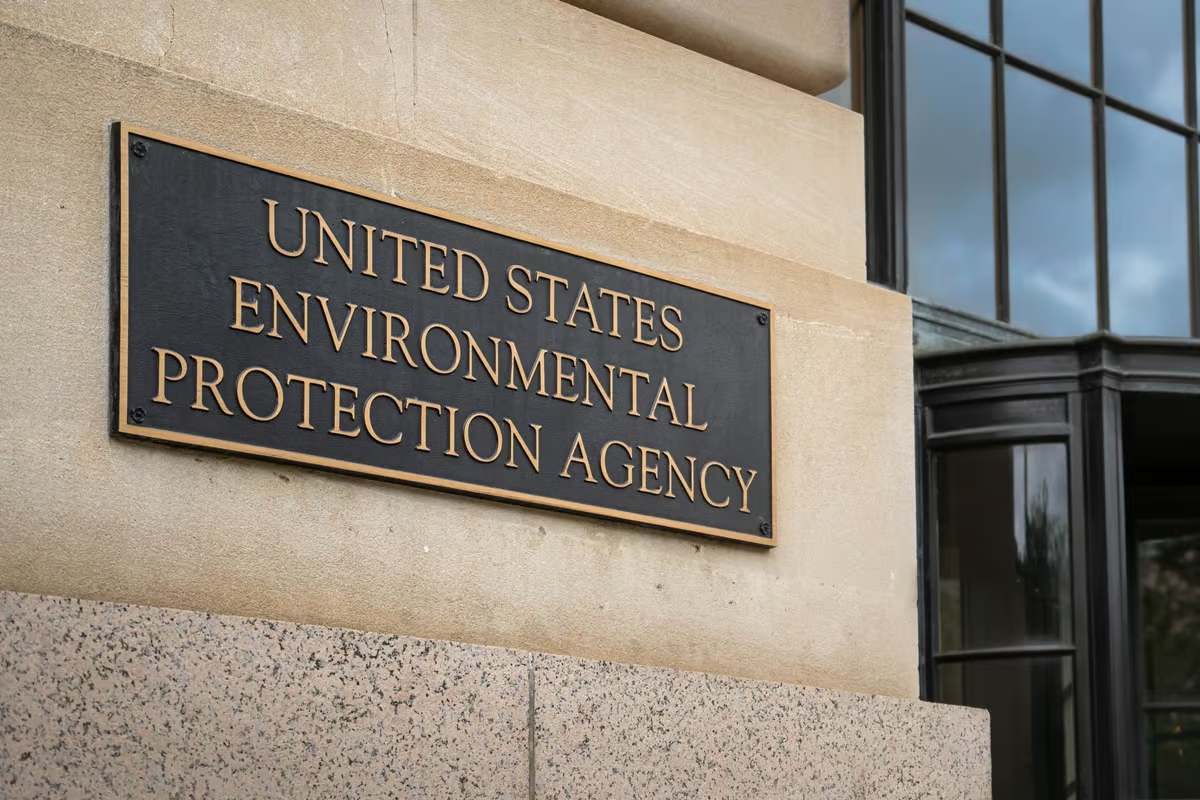
NATSO testified July 29 at the Environmental Protection Agency’s public hearing on proposed amendments to heavy-duty engine rules and the inducement provisions for Selective Catalytic Reduction diesel engines.
Speaking on behalf of travel centers and truck stops that built the downstream diesel exhaust fluid (DEF) supply chain, NATSO voiced strong support for recent EPA guidance addressing faulty hardware and false derates. NATSO testified that “the guidance is working,” and cautioned the agency to refrain from restructuring the inducement rules until existing fixes penetrate the market and the benefits are fully realized.
NATSO urged EPA to codify right-to-repair protections for independent repair shops and to replace the “catastrophic” damage threshold with language such as “significant” or “substantial” to better match EPA’s intent. The word catastrophic connotes a sudden, acute failure but the harm that derates actually guard against is the gradual degradation of the engine and aftertreatment system. Independent repair shops service a substantial share of the commercial truck fleet, and DEF sensor faults are among the most common failures they encounter. NATSO underscored the need for independent repair shops to be able to repair diesel exhaust sensors arguing that accurate diagnosis “happens at our members’ repair shops — not at a dealership that may be hours from the Interstate.”
NATSO further cautioned against applying agricultural-sector fixes to long-haul trucking by default.
NATSO member Pilot Co. testified at the hearing, as did Ports Petroleum, SIGMA, several trucking industry associations and truck equipment manufacturers.
Matt Price, Senior Vice President of Fuel Pricing and Analytics at Pilot Co., testified that EPA’s recent guidance addressing DEF software updates, right-to-repair, and the use of NOx sensors instead of urea quality sensors resolves many of the major issues that operators are currently facing. Moving forward with additional requirements before these changes have had the opportunity to work could create unnecessary costs, confusion, and uncertainty.
Matt Ports of Ports Petroleum testified that DEF represents the strongest example of targeted innovation and certain aspects of EPA’s proposal put DEF’s success at risk. Implementing audible and visual notifications for drivers will not generate the same compliance level as the mandatory DEF derate schedule.
NATSO will submit written comments to EPA before the August 29 deadline.

Subscribe to Updates
The NATSO Foundation and NATSO provide a breadth of information created to strengthen travel plazas’ ability to meet the needs of the traveling public in an age of disruption. This includes knowledge filled blog posts, articles and publications. If you would like to receive a digest of blog post and articles directly in your inbox, please provide your name, email and the frequency of the updates you want to receive the email digest.