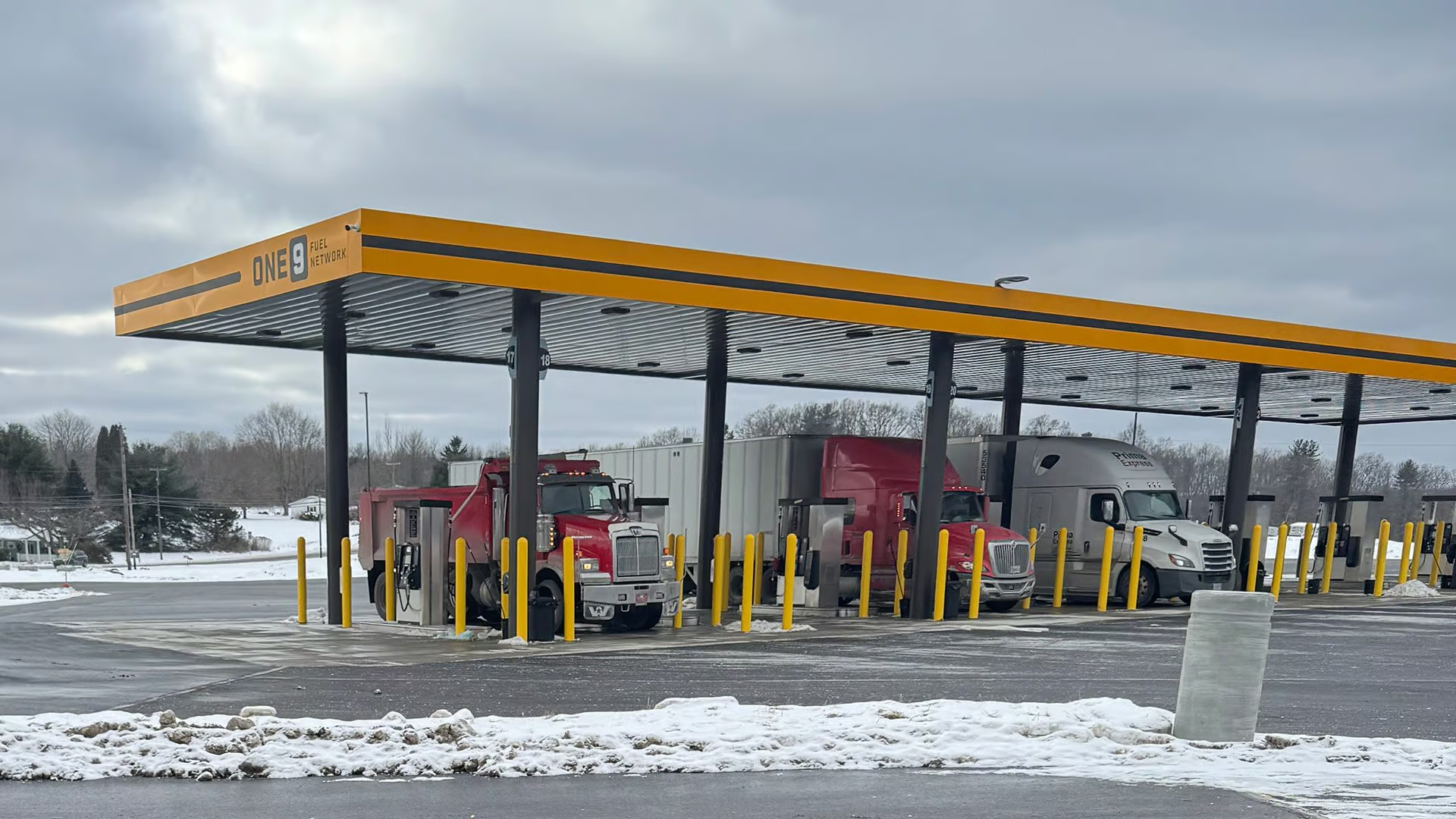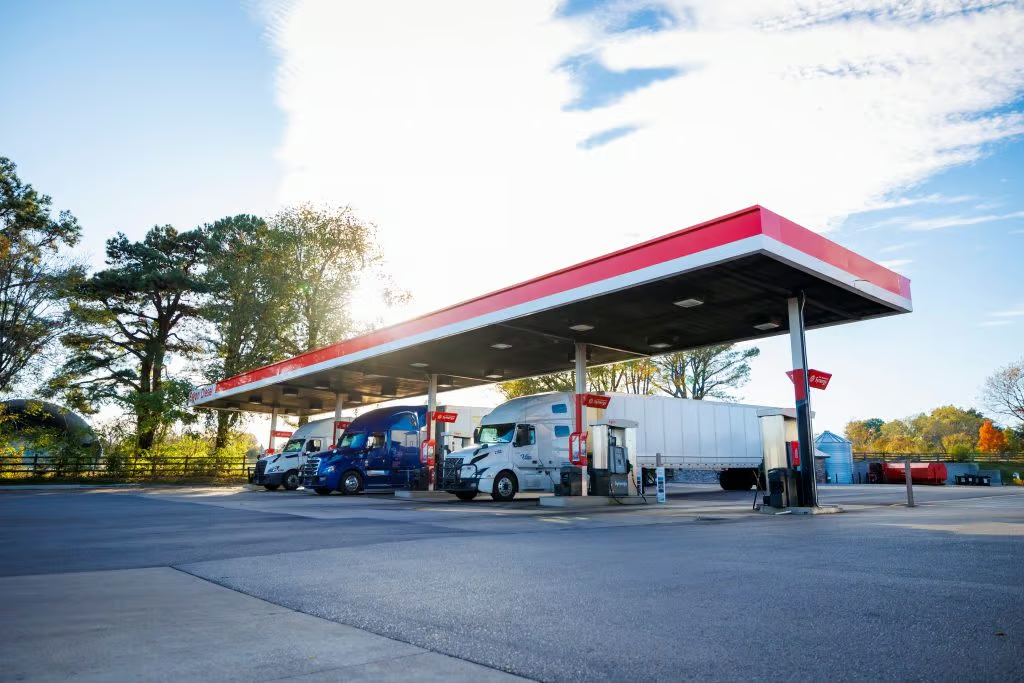
AI-driven route optimization is one of the most immediate ways AI is affecting trucking, and, consequently, travel centers. AI-driven routing systems incorporate traffic, weather, fuel prices, delivery appointments, driver hours of-service and network capacity to determine the most efficient route and schedule for each load.
First: What Advances in Route Optimization Mean for Travel Centers:
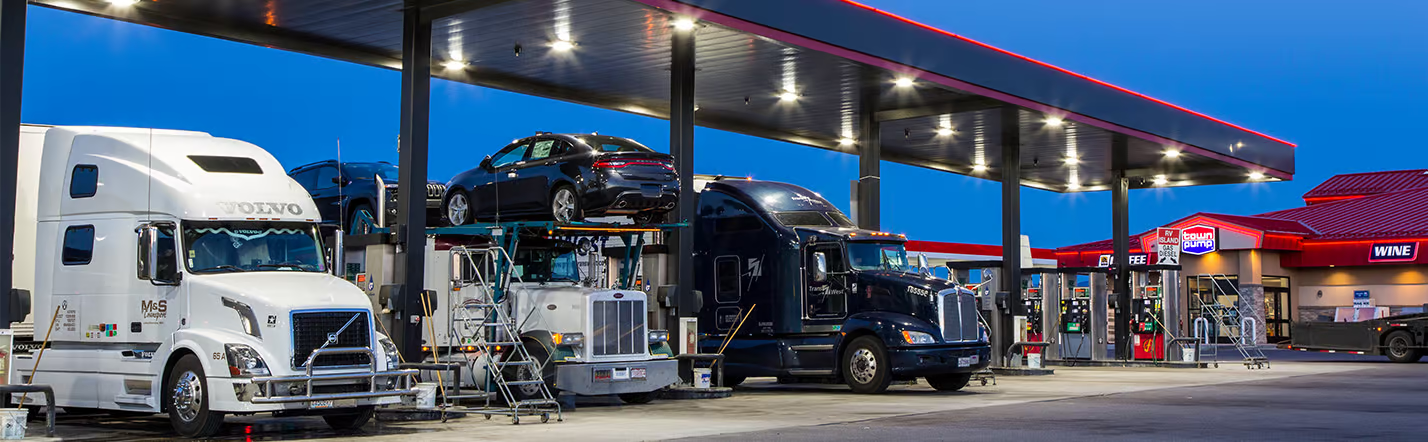
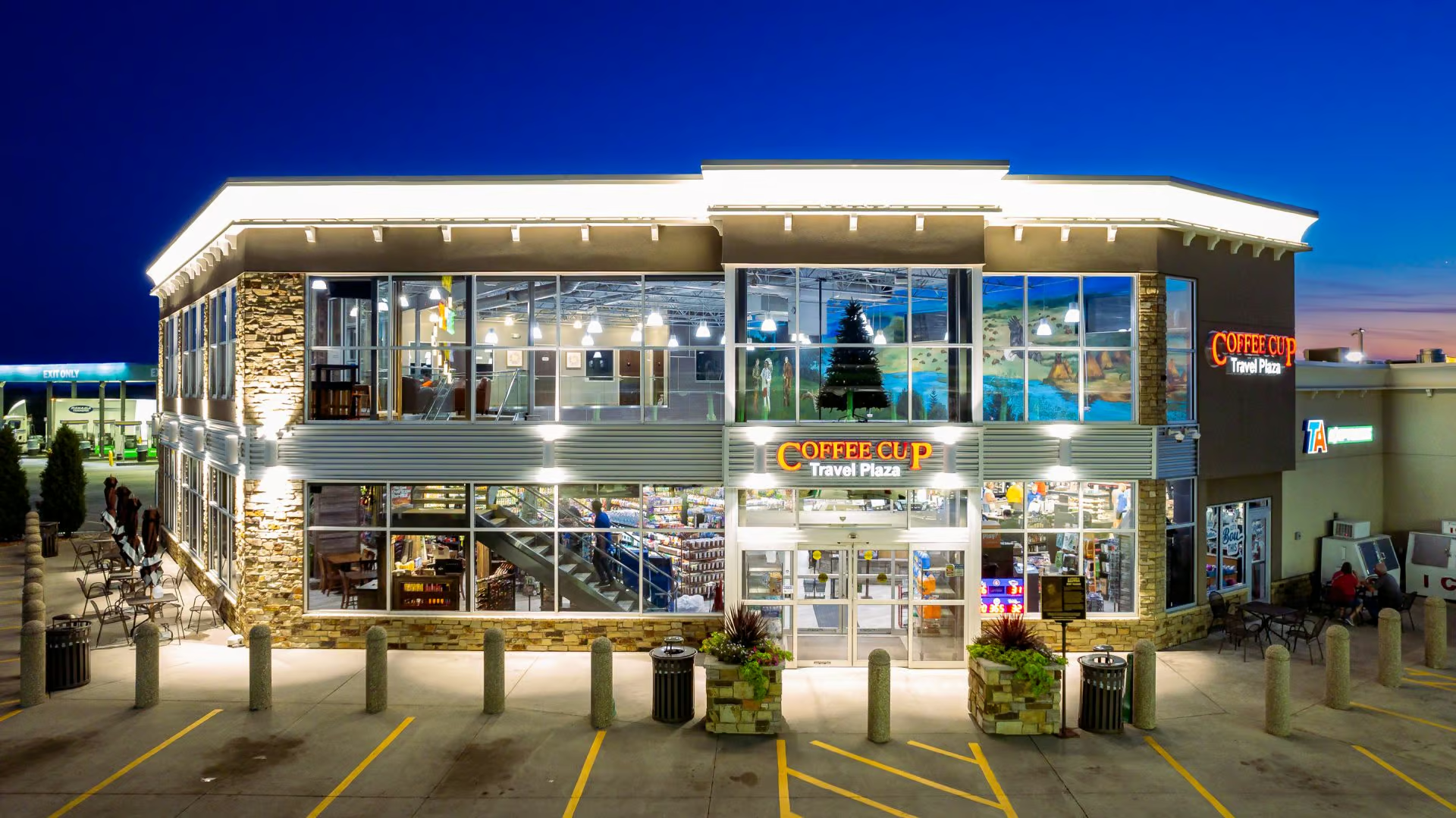
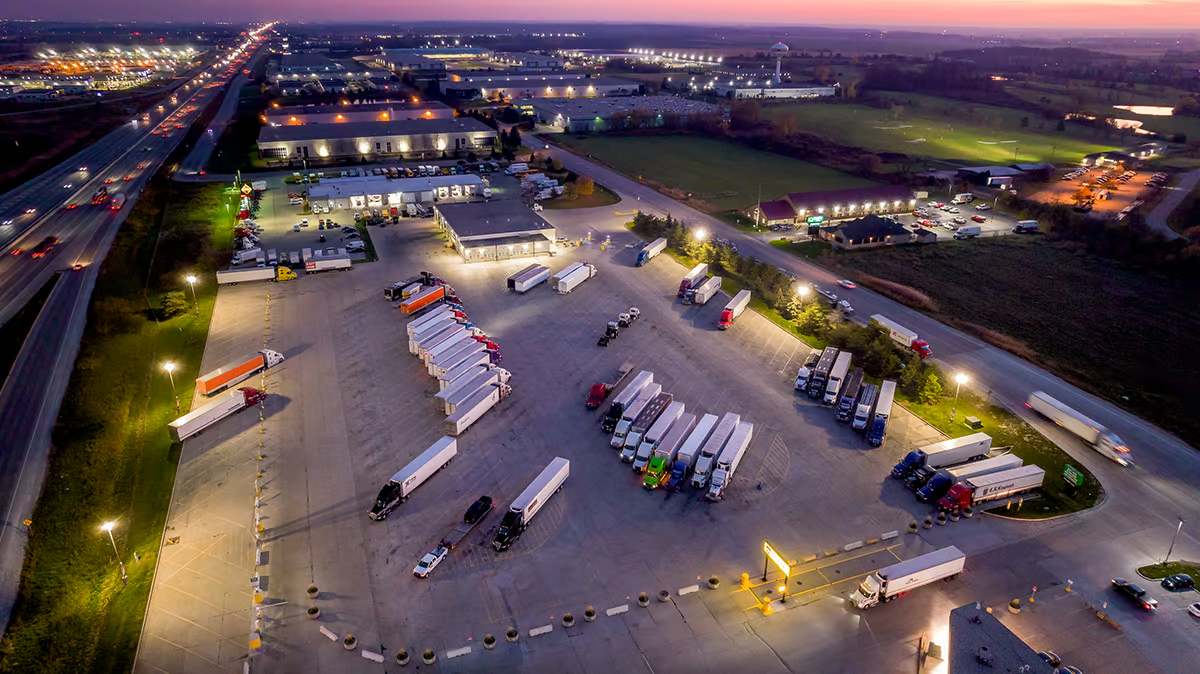
Route optimization changes how trucks travel and where drivers time their stops, which means it can influence which exits and corridors see consistent truck stop activity. For truck stop and travel center operators, this has several implications:
-
Truck stops located along major optimized freight corridors may see more consistent and predictable traffic.
-
Fast in-and-out access, efficient layouts and minimal congestion may become more important competitive factors.
-
Locations that are slightly off major corridors or outside common break intervals may see reduced traffic over time.
-
Secondary routes and alternate highways may see increased traffic when AI systems reroute trucks around congestion, weather or construction.
-
Stops may occur at more precise mileage intervals as AI systems optimize hours-of-service breaks and delivery schedules.
-
Truck stops may see fewer discretionary stops and more planned stops tied to fuel, required rest breaks and delivery schedules.
As route optimization becomes more sophisticated, operators will need to think in terms of corridor efficiency and stop timing when evaluating location performance and future investments.
More About How AI is Reshaping Specific Routes
Major logistics companies are ramping up their AI use.
UPS, Amazon, FedEx and DHL are just some of the major logistics companies currently using AI-powered route optimization. Penske’s 2025 Transportation Leaders Survey, which polled more than 250 transportation and logistics executives, found that 70% of companies had adopted AI solutions, up from 53% in 2024.
Decision automation platforms are expanding this concept beyond routing to include load acceptance, load sequencing and driver assignment decisions. The systems can evaluate hundreds or thousands of variables simultaneously to determine which loads a fleet should accept, where trucks should be positioned and how drivers’ available hours should be used.
These tools are producing measurable operational improvements. Fleets using decision automation platforms report higher asset utilization, reduced empty miles and improved on-time performance, all of which contribute to increased revenue per truck without increasing rates.
Fleets that have adopted AI said they are seeing results. Fleet leaders taking part in the Penske survey reported improvements in fleet planning (36%), route optimization (35%), operational efficiency (34%) and driver safety (32%). Additionally, 40% of those who have adopted AI said it has delivered at least 50% improvements in fuel savings, operational expenditures and distance traveled through route optimization alone. Nearly all respondents—93%—said AI will improve resiliency and agility and better position their organizations for future growth, and 91% believe companies that adopt AI are better positioned for long-term success.
Even small efficiency gains can significantly change freight flows. A 3% to 5% reduction in empty miles, for example, can eliminate hundreds of thousands of non-revenue miles across a fleet each year. As those inefficiencies are reduced, truck traffic may become more concentrated at planned locations and less driven by recovery from inefficient dispatch decisions.
Historically, routing decisions relied on relatively simple inputs, such as fuel prices, major corridors and driver preferences. Today, AI is layering in more variables, and routing increasingly steers trucks to the mathematically optimal path, which may not be the historically common path.
Fuel price optimization is becoming increasingly sophisticated.
AI platforms can compare fuel prices at truck stops along a route in real time and direct drivers to the lowest-cost option within a specific boundary.
The integration of parking availability data into routing decisions is also growing. Platforms such as Trucker Path aggregate real-time parking availability from participating truck stops and weigh stations, and some routing platforms are beginning to factor parking availability into trip planning.
Interstates and U.S. highways that have served as traditional trucking corridors for decades may see reduced traffic as AI systems identify faster or cheaper alternatives, which could include state routes, bypasses or regional roads.
AI systems are also increasingly optimizing driver break timing against hours-of-service rules and shipper appointment windows. Instead of simply stopping at the nearest truck stop when a driver needs a break, routing systems may calculate which stop, at which mileage point, maximizes downstream efficiency for the rest of the trip. This means the timing and location of required rest stops may shift as routing systems optimize the entire trip rather than individual segments.
Beyond routing, AI is increasingly evaluating what happens once a truck arrives at a location. Telematics and electronic logging device data, including dwell time at truck stops, is being aggregated and fed into routing and dispatch systems.
Operational friction points, such as slow pumps, malfunctioning card readers, inefficient parking layouts, long lines inside the store or slow service, can all contribute to longer dwell times. “You might have the best price, but if you’re slower, the driver may get routed to a smaller location down the road that’s faster,” Myhren added.
For truck stops, this could increase demand for fast fueling and quick food options designed for efficiency.
At the same time, cameras, accelerometers, GPS sensors and telematics devices are also generating continuous data streams that AI systems analyze for signs of fatigue, distraction, harsh braking, speeding and other behaviors.
Fatigue detection systems, which attempt to identify physiological indicators of drowsiness before a crash occurs, may also alter when and where drivers choose to stop. A driver who receives a fatigue alert from an in-cab system may seek a parking spot earlier than planned or may be instructed by dispatch to stop immediately.


Subscribe to Updates
The NATSO Foundation and NATSO provide a breadth of information created to strengthen travel plazas’ ability to meet the needs of the traveling public in an age of disruption. This includes knowledge filled blog posts, articles and publications. If you would like to receive a digest of blog post and articles directly in your inbox, please provide your name, email and the frequency of the updates you want to receive the email digest.