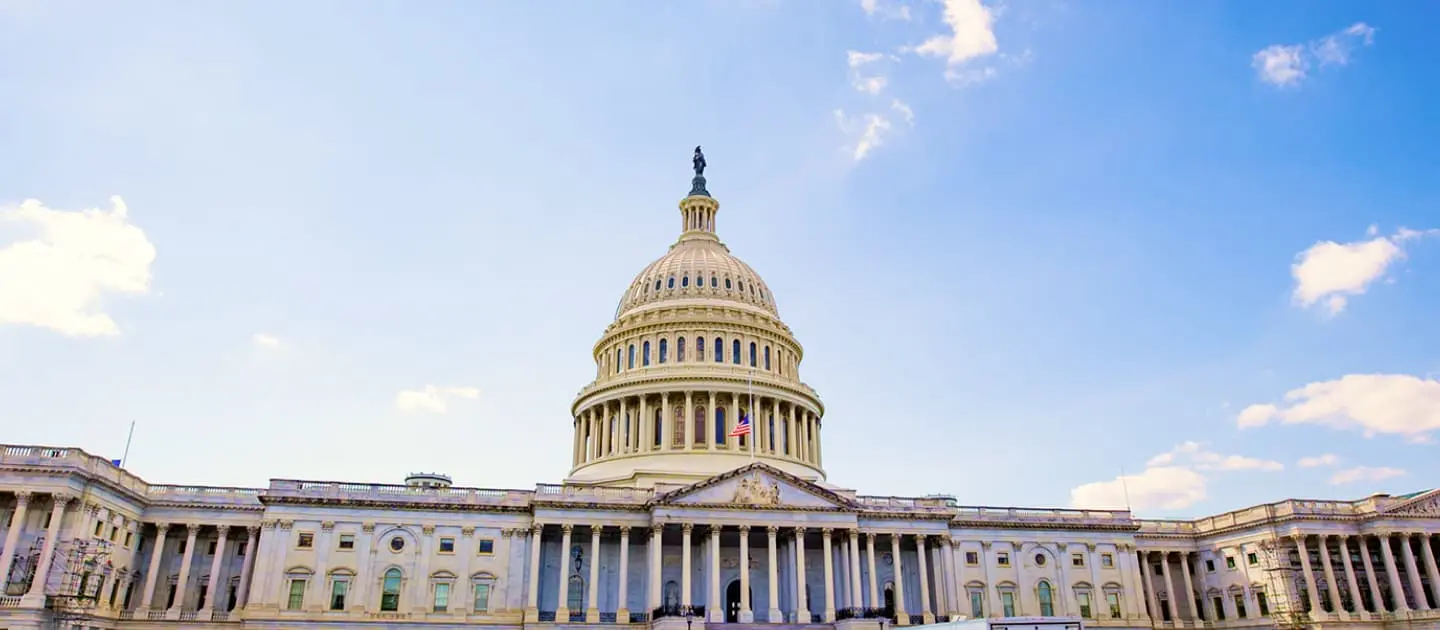
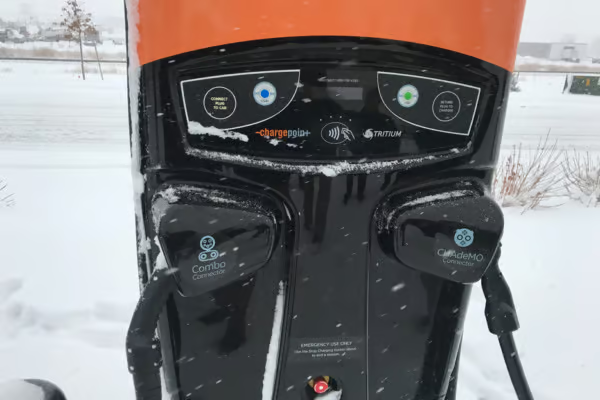
The bipartisan $1.2 trillion Infrastructure Investment and Jobs Act (IIJA), signed into law in November 2021, carved out $7.5 billion to expand the nation’s electric vehicle (EV) charging network. From […]
01-24-2022The Biden Administration’s heightened focus on electric vehicles (EVs) and its goal of establishing a nationwide network of EV charging stations has triggered a surge in media coverage about this […]
01-24-2022NATSO is offering a Transportation Energy Track during NATSO Connect 2022, which will be held Feb. 20-24, 2022, at Disney’s Coronado Springs Resort in Orlando, Florida.
“We want to ensure the nation’s truckstops and travel centers have the knowledge they need to meet the country’s fueling needs, no matter what fuel is powering the vehicle,” said Amy Toner, vice president of publishing and digital content for NATSO.
12-17-2021The White House on Dec. 13 issued an “EV Charging Action Plan” that includes the formation of a “Joint Office of Energy and Transportation” focused on deploying electric vehicle infrastructure and that works to collect input and guidance from industry leaders, manufacturers, workers, and other stakeholders to ensure the national network “provides convenient charging for all.”
12-14-2021Kris Kentera, executive sales manager for Blink Charging, joined NATSO’s podcast this fall to discuss what type and mix of charging equipment makes the most sense for truckstops and travel centers, investment projections, grant considerations and much more.
12-14-2021More than 51 investor-owned electric companies, one electric cooperative, and the Tennessee Valley Authority have formed a coalition with the goal of providing a national EV charging network by 2023. NATSO thinks fuel retailers provide the best opportunity for advancing alternative fuels, including electricity, into the marketplace and that power companies and fuel retailers should focus where each is most productive.
12-12-2021If you weren’t able to join us, you haven’t missed out. The recorded webinar is now available for viewing.
10-22-2021The Senate recently approved both the bipartisan infrastructure bill and the FY2022 budget resolution. The infrastructure bill includes, among other things, a five-year reauthorization of highway programs, as well as $7.5 billion for alternative fuel infrastructure grants, the bulk of which are likely to go to electric vehicle (EV) charging stations. The budget resolution unlocks a process whereby Democrats can pass an up to $3.5 trillion bill filled with Democratic priorities that can pass the Senate with a simple majority vote. NATSO expects Congress this year to approve both the bipartisan infrastructure bill as well as a separate reconciliation bill that includes Democratic social welfare priorities as well as corporate and individual tax hikes and various “green” energy tax incentives.
08-24-2021The Senate on the evening of July 28 voted 67-32 to proceed to a bipartisan infrastructure bill that was the product of weeks of negotiations among a core group of 10 senators (five Democrats and five Republicans). The deal, which has the backing of President Biden, includes $550 billion in new federal spending (compared with the $578 billion figure initially agreed upon in June) and more than $1 trillion in total spending (the rest coming from anticipated federal investments in highways and roadways that Congress must authorize every year.
07-29-2021The truckstop and travel plaza industry has a long history of adapting to its customers’ needs, and there are several equipment trends that could affect what drivers need while on the road. During NATSO’s FastForwardFocus, Lisa Mullings, NATSO CEO, and Darren Schulte, NATSO’s vice president of membership, sat down to discuss the trends that could shape truckstop and travel plaza operators’ futures.
07-08-2021A diverse array of Democratic Members of Congress, including the Chairman of the House Financial Services Committee, urged lawmakers considering clean energy and infrastructure legislation to ensure that policies and incentives designed to develop a charging network for electric vehicles (EVs) result in a price-competitive and convenient refueling marketplace for consumers.
06-25-2021