AI Can Drive Efficiency, Profitability and Customer Loyalty

Artificial intelligence (AI) is rapidly evolving from a buzzword into a practical business tool that can deliver real, measurable benefits. AI-driven systems can help with everything from reducing downtime and improving pricing decisions to personalizing the customer experience.
“When used well, AI takes data operators already have and turns it into action. It can keep pumps running, detect fraud and help customers feel recognized,” said Jeremie Myhren, cofounder and CIO of Onramp. “For independents looking to compete in an increasingly digital landscape, AI is not the future, it’s the next practical step.”
(Myhren, along with members of the NATSO Foundation’s 2026 Technology Steering Council, will present on AI during Technology Forum at NATSO Connect. The Travel Center Technology Forum is designed to facilitate interactive discussions among truck stops and travel center operators regarding their top technology priorities. Learn more about NATSO Connect here.)
Fortunately, AI is becoming more accessible to operators of all sizes. It is being built directly into many of the everyday systems operators already use, including point-of-sale platforms, loyalty programs and fuel management solutions.
While AI’s influence is still emerging, there are several use cases that can benefit operators:
Predictive Maintenance and Operational Efficiency:
Downtime is one of the biggest threats to profitability in truck stop operations. AI-powered predictive maintenance systems analyze tank, pump and sensor data to identify issues before they cause costly shutdowns. According to AVEVA, predictive systems can cut maintenance costs by up to 40% and increase equipment uptime by 10– 20%. These insights enable operators to plan repairs proactively, avoiding lost revenue and ensuring consistent service for drivers.
Pricing:
Pricing in a competitive fuel and convenience market is both art and science. Intelligent pricing tools evaluate competitor prices, store traffic and fleet fueling patterns to suggest dynamic adjustments that protect profit margins while maintaining competitiveness. McKinsey research shows that AI-driven pricing and promotions can increase profitability by several percentage points.
Inventory:
In addition to pricing, AI-powered demand forecasting tools help optimize inventory for food, beverages and retail items. By predicting customer demand based on weather, holidays and regional traffic patterns, operators can reduce waste and ensure shelves are stocked when demand peaks.
Fraud Detection:
Fraud and theft is a continual issue for operators. AI-driven payment and POS systems can flag suspicious transactions in real time, such as repeated small purchases on the same card or mismatched timestamps between pump activity and payment authorization. Studies show AI-based fraud detection can reduce losses by up to 25% by catching anomalies earlier and minimizing manual reviews.
Site Security:
AI also enhances physical security. Video analytics systems can detect suspicious behavior, prevent theft and trigger alerts in real time, allowing staff to respond faster to potential issues or accidents.
Labor and Scheduling:
Labor is often one of the largest expenses for operators. AI scheduling tools can analyze historical sales, transaction and foot traffic data to predict the busy times of the day or week. Systems recommend staffing levels that ensure proper coverage during rush hours while reducing overstaffing during slower periods, resulting in lower labor costs and better customer service.
Personalized Loyalty:
AI is making loyalty programs more personal and effective. Instead of sending generic offers to all customers, AI analyzes individual driver behavior, such as fueling frequency, purchase history and route patterns, to create tailored promotions. Personalized campaigns can increase redemption rates, strengthen customer loyalty and drive more inside sales. McKinsey reports that personalization can boost sales conversion rates by 10 to 15% in retail environments.
Customer Engagement:
Beyond offers, AI is enhancing the overall customer experience. Smart kiosks, mobile apps and chatbots can recommend meal combos, display real-time fuel prices or guide drivers to available parking spaces. Virtual assistants even provide 24/7 support for common inquiries, such as parking availability or amenity details.
Automation of Repetitive Tasks:
AI excels at automating repetitive, time-consuming tasks, such as pulling reports or aggregating data from multiple systems. This frees operators and managers to focus on higher-value work, such as improving customer service or expanding business opportunities.
Data-Driven Decision Making:
AI’s analytical capabilities turn massive amounts of operational data into actionable insights. The analysis can identify inefficiencies, reveal new revenue opportunities, and uncover trends and customer preferences. The information can support better business decisions and help operators compete more effectively.
Sustainability and Energy Management:
Smart systems optimize heating, cooling and lighting to reduce energy waste. As EV adoption increases, AI helps balance charging demand with grid capacity, ensuring reliable service while minimizing costs.
Investing in AI-Based Solutions
Choosing the right partners and platforms is essential for success. When evaluating technology providers, operators can ask key questions to ensure the system truly leverages AI in practical, useful ways:
- Does the system use AI or predictive analytics to improve decision making?
- How are alerts or recommendations displayed?
- Can I override AI decisions if necessary?
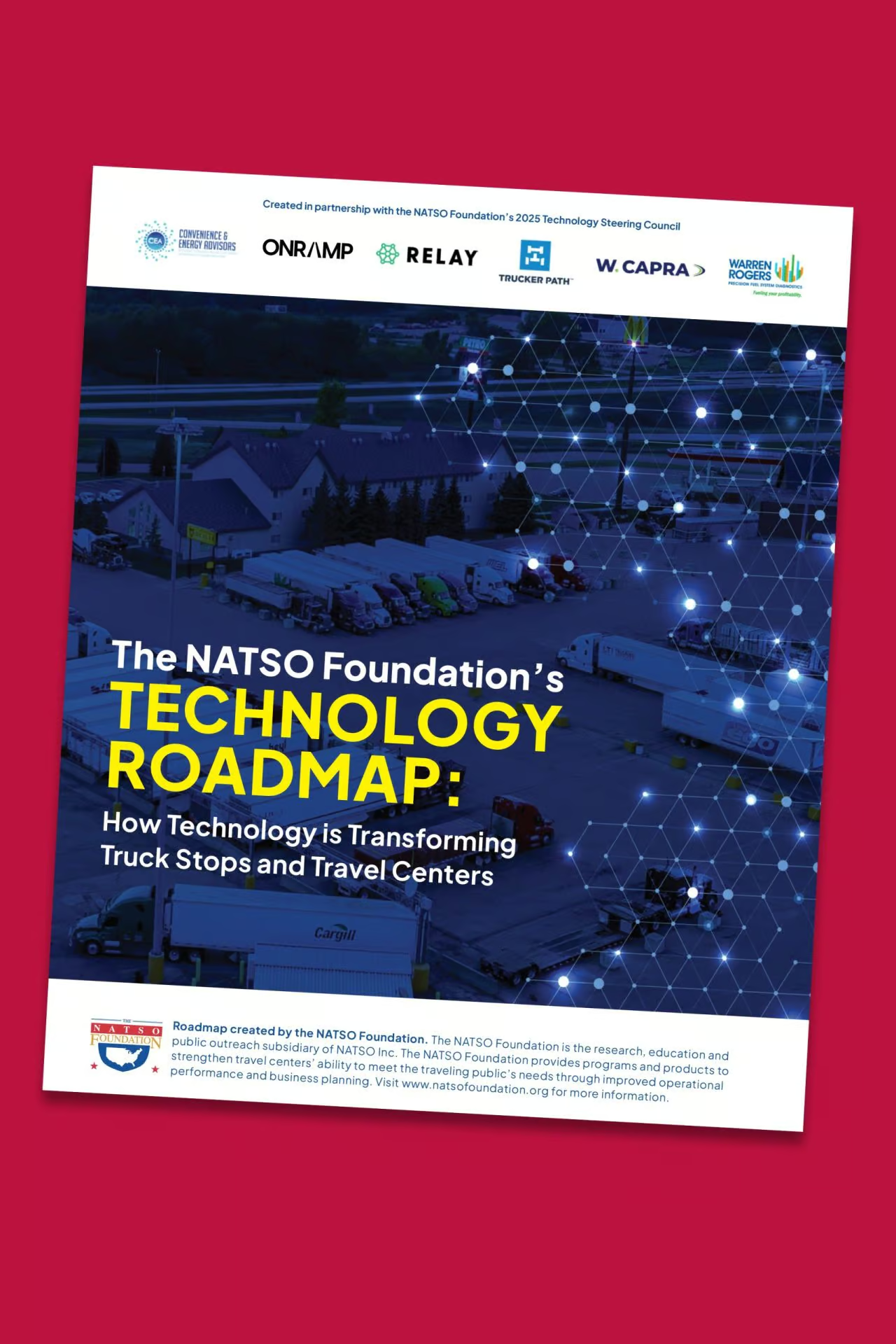
The NATSO Foundation and members of the NATSO Foundation 2025 Technology Steering Council recently created a Technology Roadmap to help travel center operators stay current on the technology landscape. Purchase a copy to gather their insights into how operators can use technology to their advantage and the most impactful tools travel centers should deploy today.


Subscribe to Updates
The NATSO Foundation and NATSO provide a breadth of information created to strengthen travel plazas’ ability to meet the needs of the traveling public in an age of disruption. This includes knowledge filled blog posts, articles and publications. If you would like to receive a digest of blog post and articles directly in your inbox, please provide your name, email and the frequency of the updates you want to receive the email digest.