Article created for the digital issue of the NATSO Foundation’s magazine.
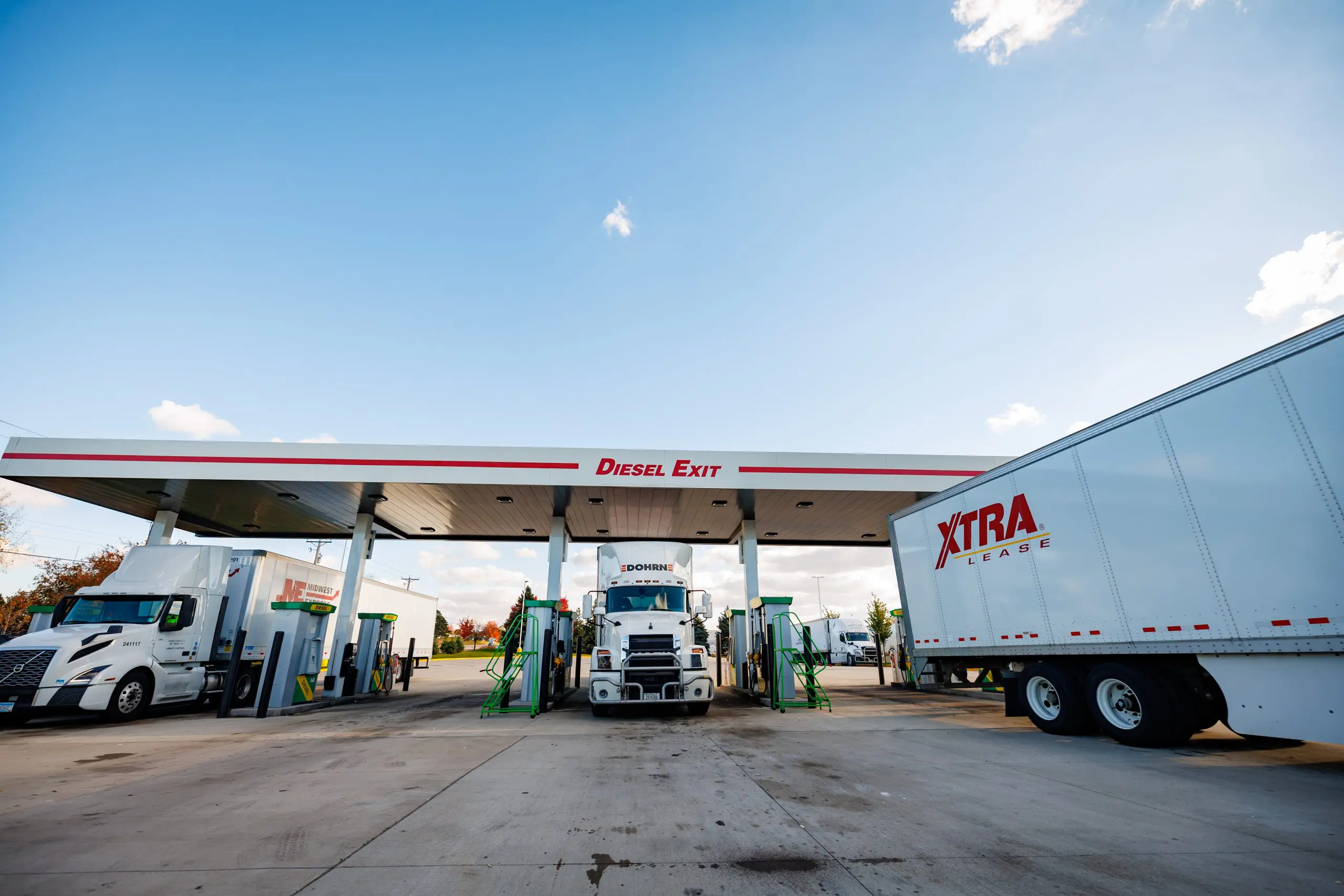
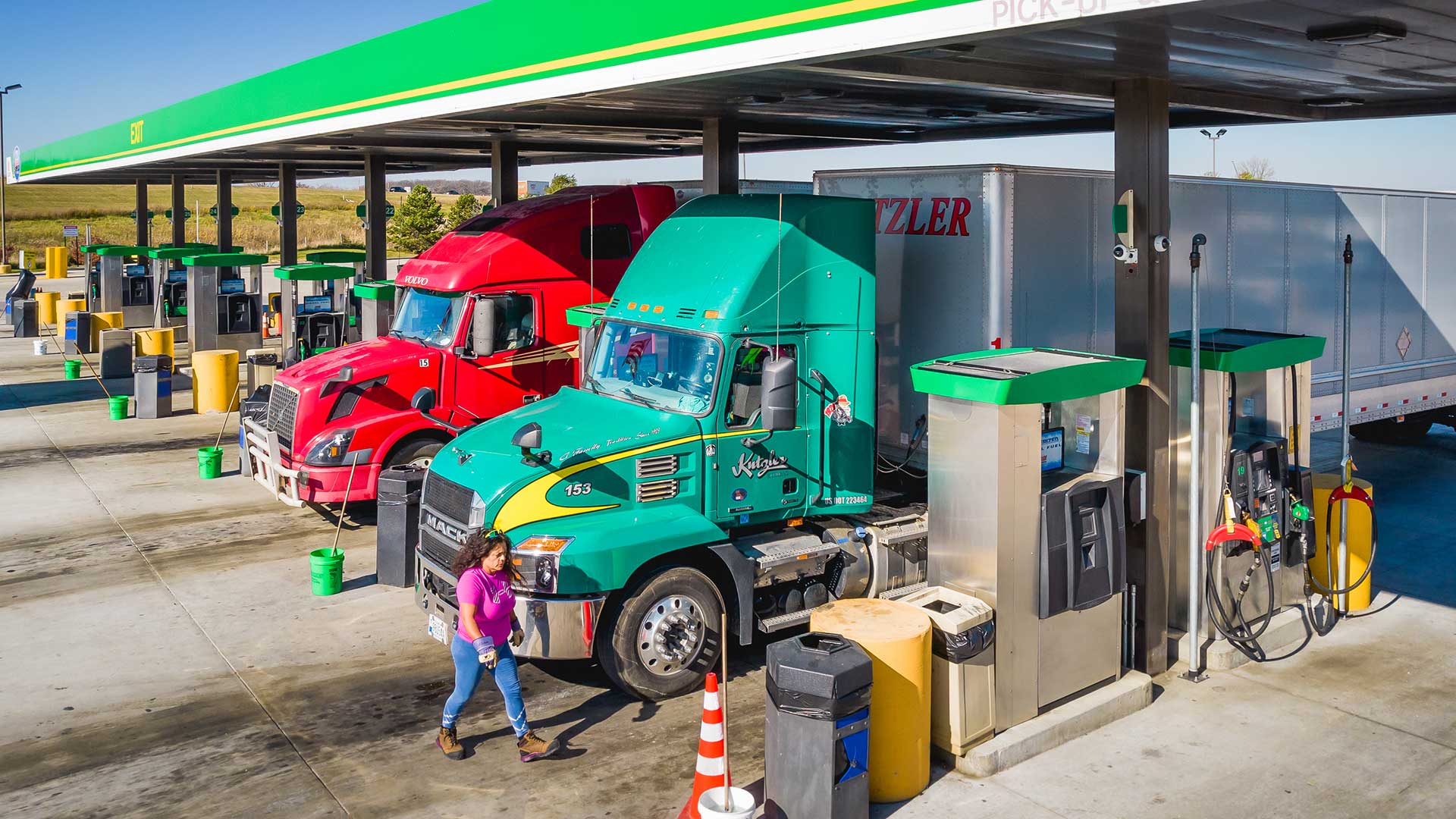
Truck stops and travel centers generally have two fueling areas—the forecourt where passenger vehicles, RVs and even box trucks fuel—and the backcourt where professional drivers fuel.
Darren Schulte, NATSO’s vice president, membership, said he is excited to see more of a focus industry-wide on how professional drivers enter into a travel center. “NATSO members are thinking more about the importance of entry and exit into the travel centers,” he said.

“The customer that generates the most revenue for us, who fuel at the backcourt, you’re really beginning to see improvements in those areas,” he added.
The backcourt experience at truck stops and travel centers historically had been ignored, but Schulte believes backcourts should look exactly like forecourts. “I would ask any of us to go to our forecourt and see how we speak to customers to try and capture their attention, then go to the backcourt,” he said.
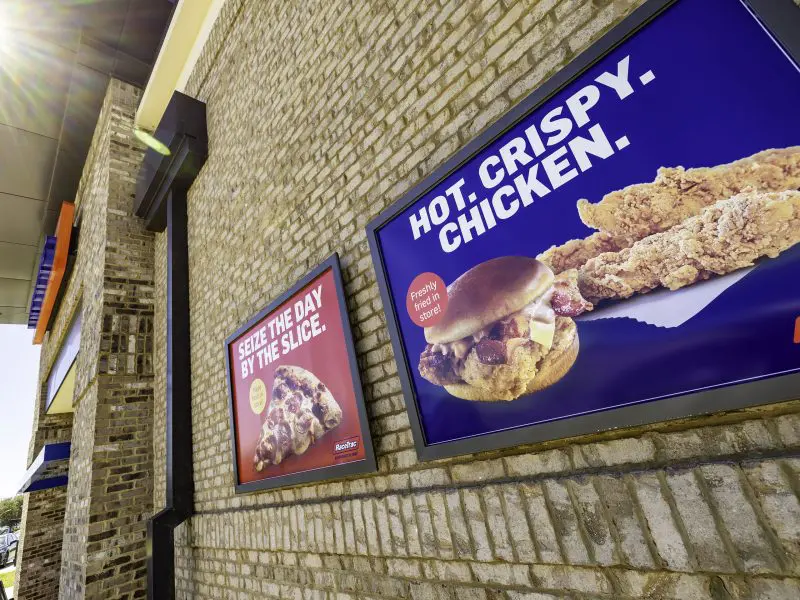
Schulte encourages operators to add the same marketing materials on the building and on the pumps in the backcourt that are on the forecourt. “If you’re doing pump toppers in the front, do pump toppers in the back. If you’re doing fuel nozzle collateral, do that,” he said.


The backcourt entrance should also be inviting. “If it isn’t pretty or inviting or safe, it doesn’t matter what you’re putting on the pump to tell me to come inside, I’m not coming inside,” Schulte said.
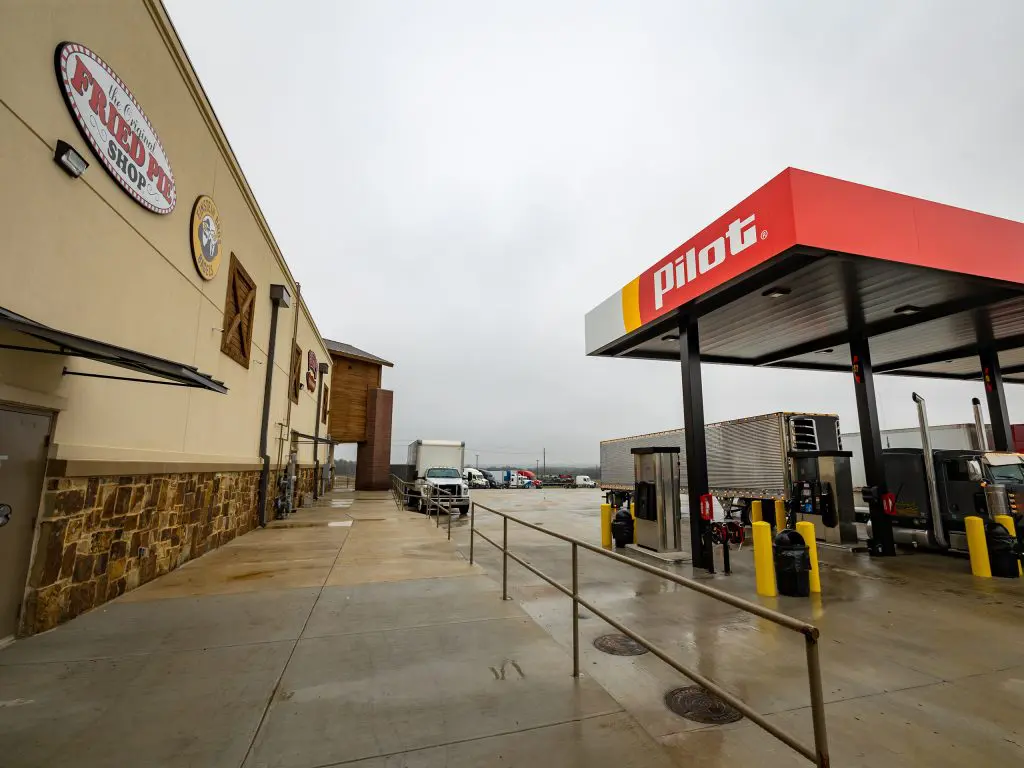
When considering the layout of your backcourt, you should also determine whether or not you will offer a truck scale so you can position it in the best location, typically at the end of the fuel island. “It keeps the traffic pattern near the fuel islands, and a lot of times, drivers will weigh to see how much fuel they can put on. They’ll weigh, pull around and fuel, and then re-weigh,” said Steve Goecke, vice president of business development for CAT Scale Co. The scale is 110-feet long and 120-feet wide, and ramping may be needed. “For trucks to get onto the scale, drivers need to be approaching it straight,” Goecke said. “Typically, the length totals about 300 feet.”
Gather more ideas on travel center backcourt:
// This article was created for Stop Watch magazine, the magazine of the NATSO Foundation. Foundation is the research, education and public outreach subsidiary of NATSO, Inc. The NATSO Foundation provides programs and products to strengthen travel plazas’ ability to meet the traveling public’s needs through improved operational performance and business planning. Visit www.natsofoundation.org for more information.


Subscribe to Updates
The NATSO Foundation and NATSO provide a breadth of information created to strengthen travel plazas’ ability to meet the needs of the traveling public in an age of disruption. This includes knowledge filled blog posts, articles and publications. If you would like to receive a digest of blog post and articles directly in your inbox, please provide your name, email and the frequency of the updates you want to receive the email digest.