Article created for the digital issue of the NATSO Foundation’s magazine.
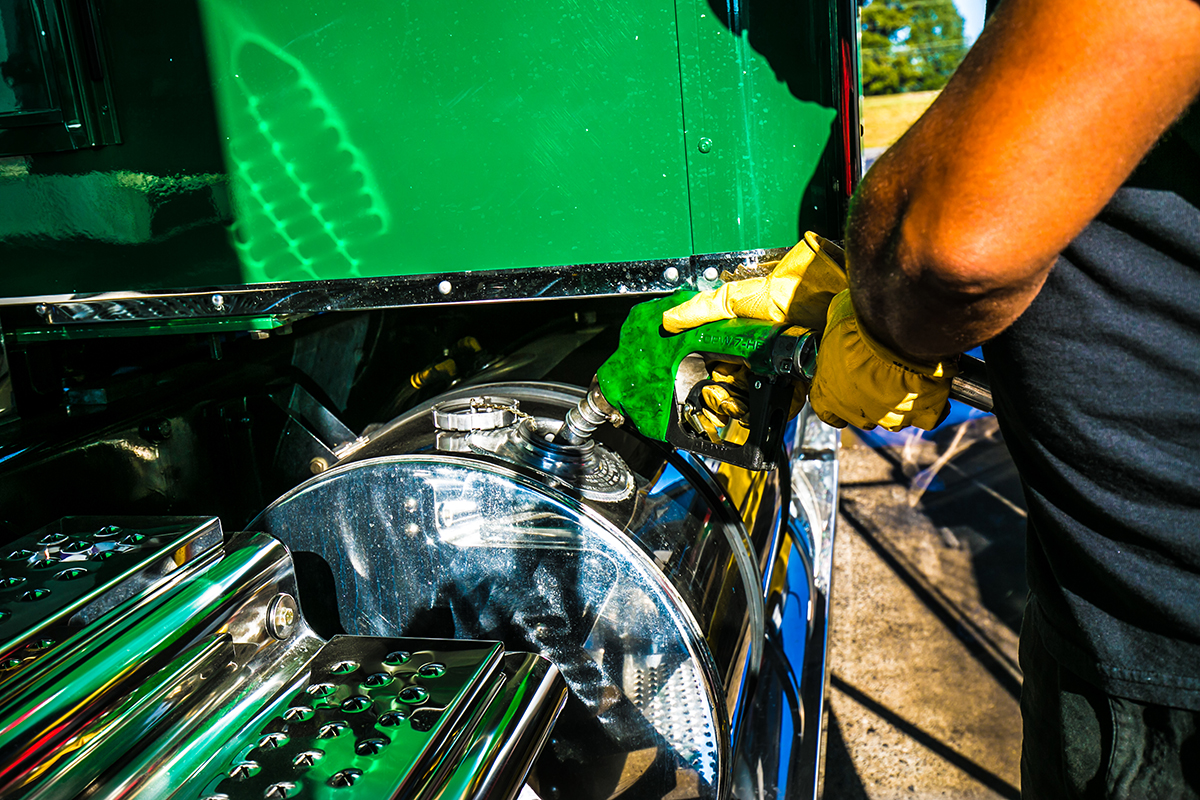
Fuel pumps are an essential part of travel center operations, and choosing the right equipment will help increase efficiency and customer satisfaction.
The NATSO Foundation’s Travel Center and Truck Stop New Build Toolkit offers these factors to look at as you select the right pumps for your location:
Fuel Volume and Flow Rate Requirements
You’ll want to assess the anticipated fuel demand at your location, the number of trucks visiting daily, their average fuel consumption and future growth projections. This will help you determine the required fuel volume and flow rate for your pumps.
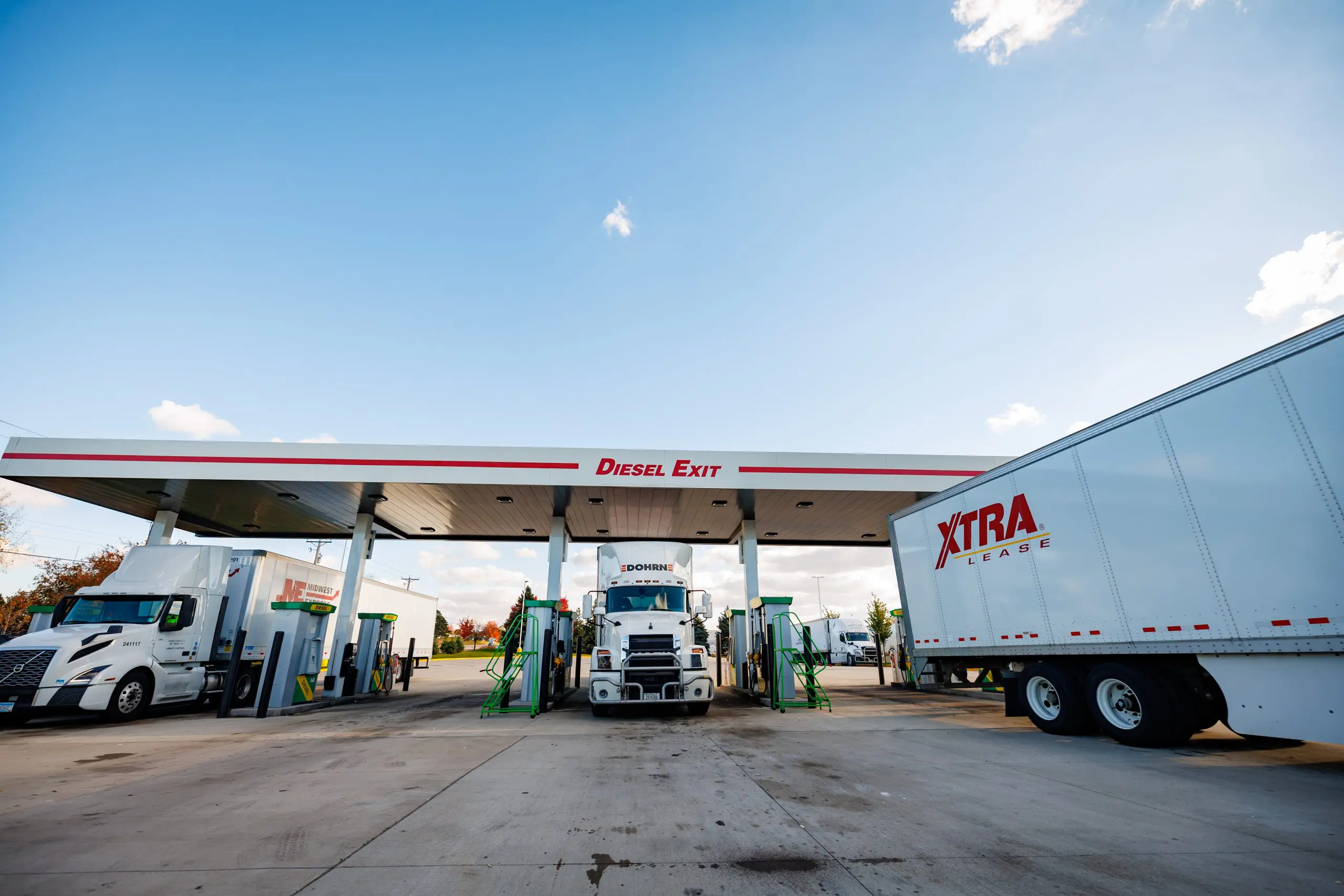
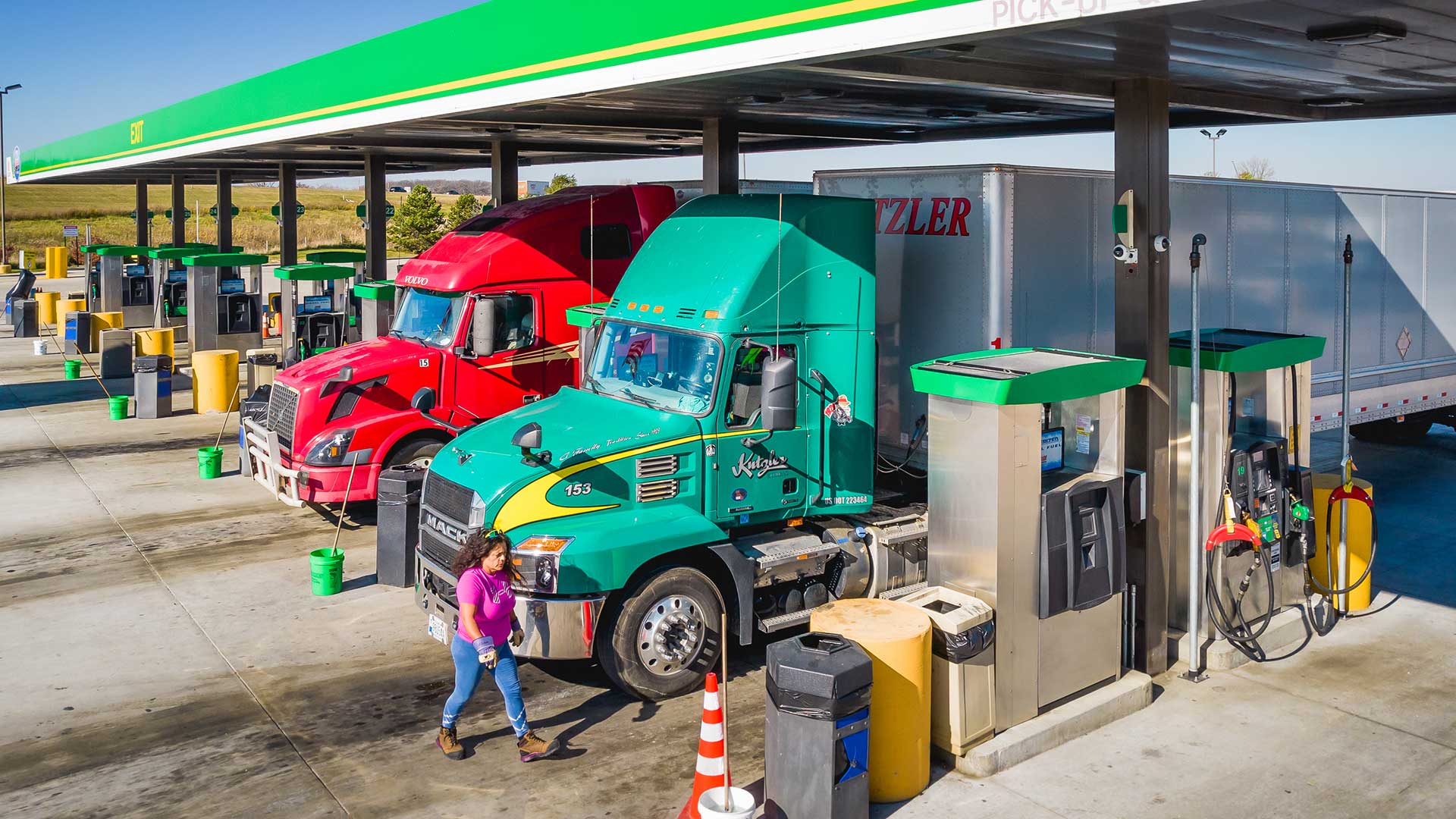
High-flow dispensers can decrease the amount of time it takes to fuel a truck and help get professional drivers back on the road quickly and help you service more customers and sell more fuel. The amount of time it takes to fuel a Class 8 truck is much longer than a passenger vehicle. “It takes 12-15 minutes on the super-fast side up to 30 minutes on the slow side,” Darren Schulte, NATSO’s vice president, membership, said.
Pump Durability
Truck stops and travel centers experience high volumes of traffic and constant use of fuel pumps. To ensure durability, select pumps built with robust materials such as stainless steel or high-quality aluminum. Pay attention to the pump’s construction, seals and fittings to ensure they can withstand the wear and tear of daily operations. Plus, you’ll want to regularly maintain pumps and monitor their wear, especially as your gallons grow.
“Everything you do from the pay- at-the-pump receipts to the hoses, nozzles and breakaways will experience significant wear and tear and you’ll have more breakdowns as you increase gallons significantly. If you’re not aware of that, it can create a poor customer experience,” Schulte said.
Pump Technology and Features:
Diesel pumps can feature technology to enhance convenience, accuracy and security. You’ll want to evaluate features such as digital displays, automatic shut-off mechanisms and integrated card payment systems.
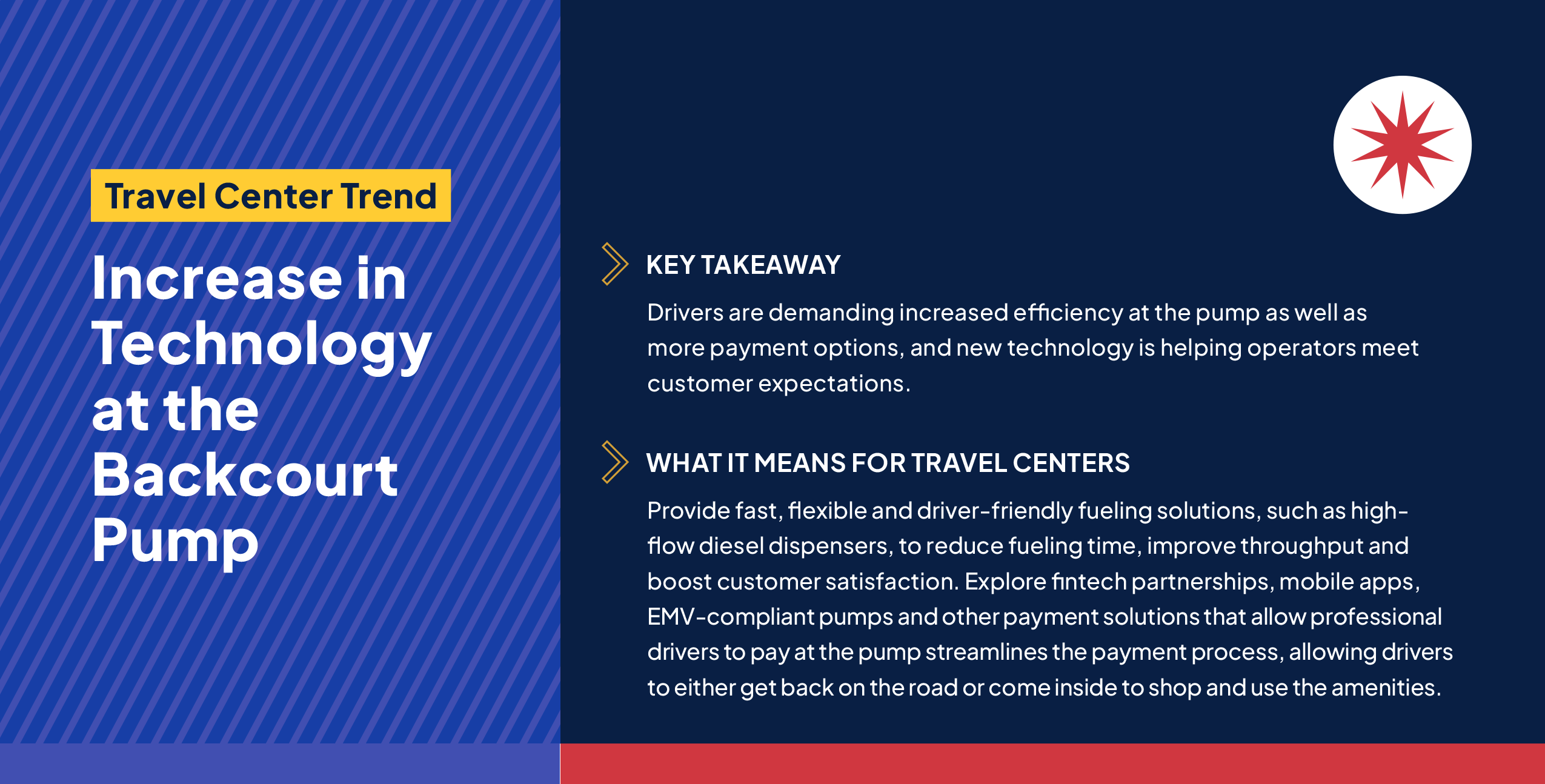
Payment Options: If you want to allow drivers to pay at the backcourt, your pumps need to be EMV compliant.
“A lot of operators never had those pumps open for credit cards and they always required someone to come inside and pay,” Schulte said, adding that operators need to think about the convenience customers may expect, especially with hours-of-service requirements. “If that person rolls up to your operation and has to go inside to get the credit card authorized and your competition allows them to not do that, they have a distinct advantage over you.”
Compliance: Ensure the diesel fuel pumps you choose comply with all applicable safety standards and regulations. Look for pumps with built-in safety mechanisms such as grounding systems, emergency shut-off switches and overfill prevention devices.
Are you embarking on a new travel center build?
// This article was created for Stop Watch magazine, the magazine of the NATSO Foundation. Foundation is the research, education and public outreach subsidiary of NATSO, Inc. The NATSO Foundation provides programs and products to strengthen travel plazas’ ability to meet the traveling public’s needs through improved operational performance and business planning. Visit www.natsofoundation.org for more information.


Subscribe to Updates
The NATSO Foundation and NATSO provide a breadth of information created to strengthen travel plazas’ ability to meet the needs of the traveling public in an age of disruption. This includes knowledge filled blog posts, articles and publications. If you would like to receive a digest of blog post and articles directly in your inbox, please provide your name, email and the frequency of the updates you want to receive the email digest.