Reps. Latourette’s And Kucinich’s Amendment Threatens To Turn Highway Bill Into A Jobs Killer
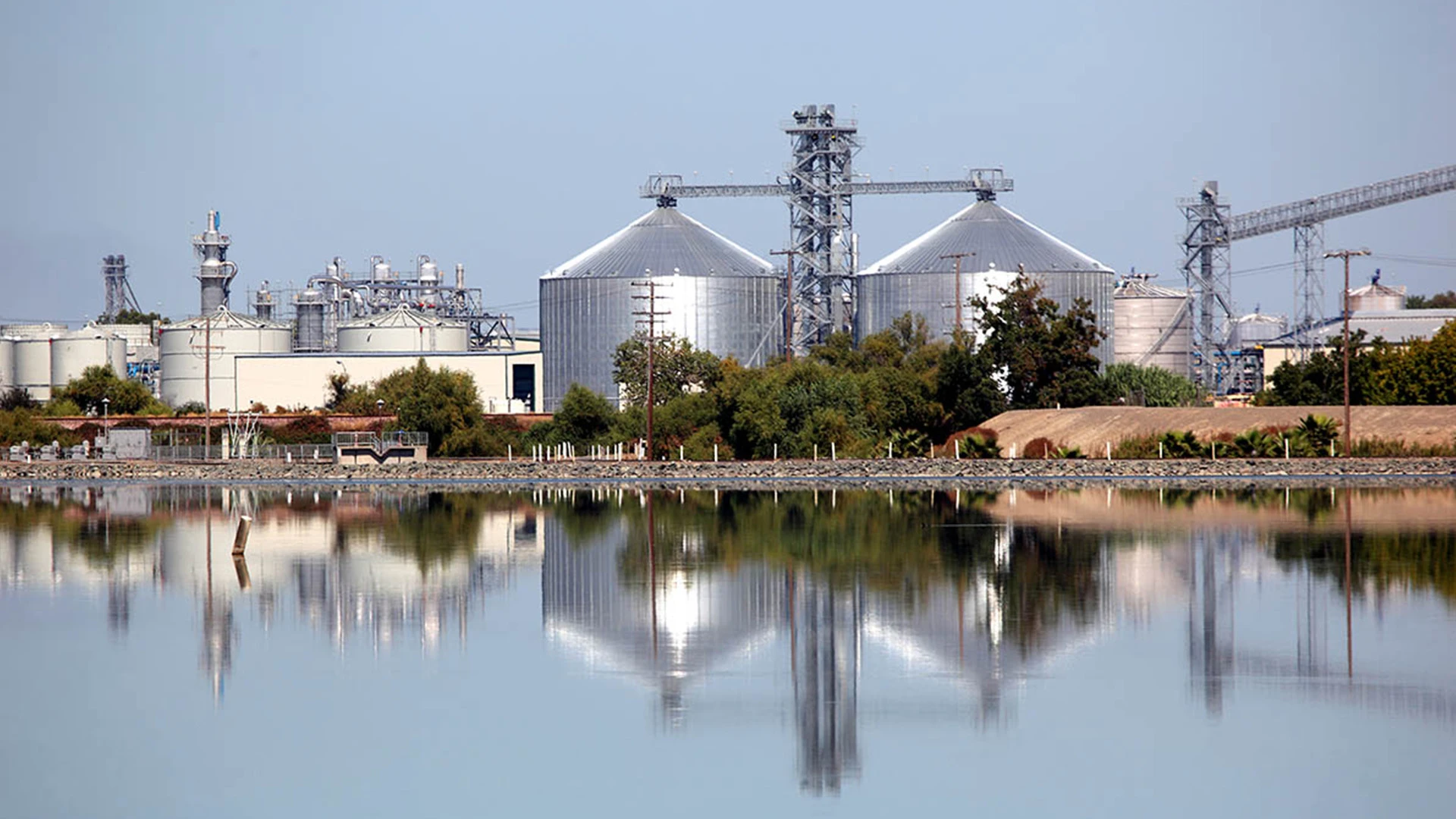
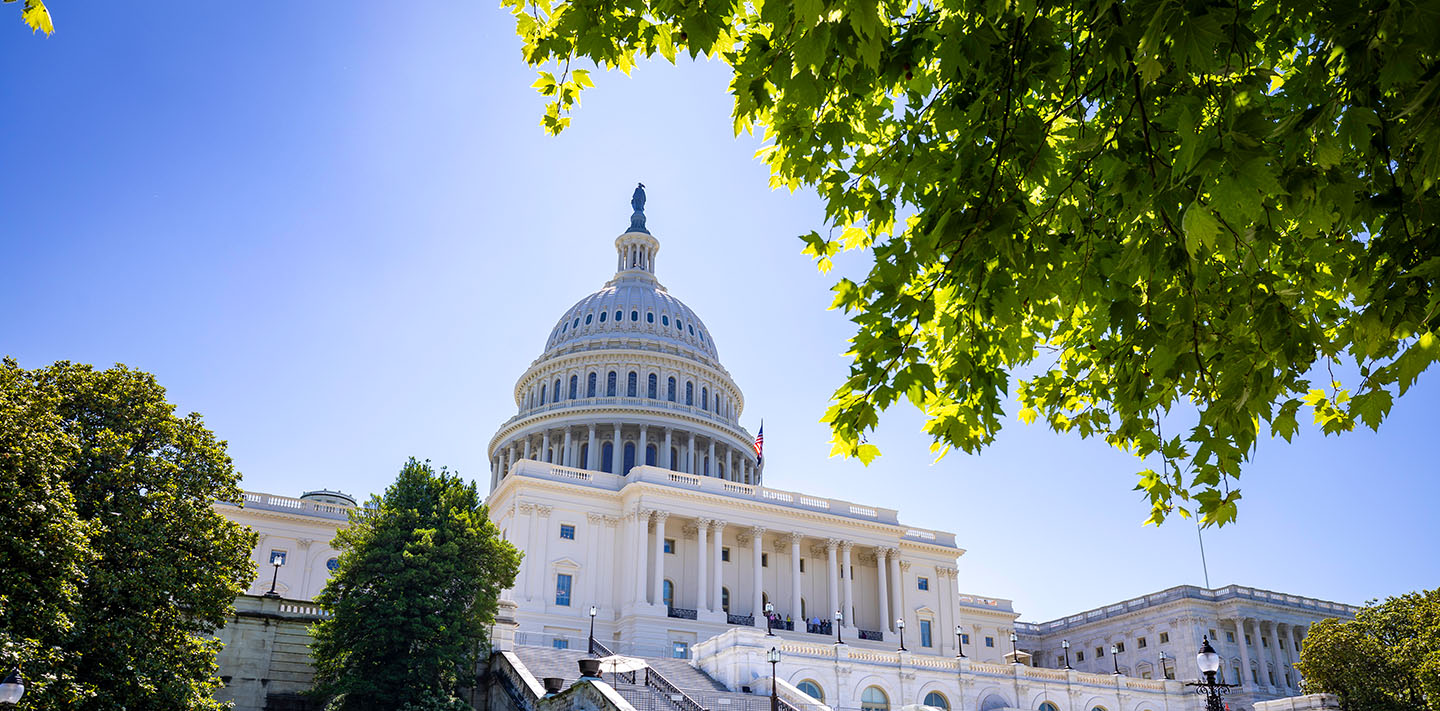
The Partnership to Save Highway Communities today strongly urged members of Congress to oppose Amendment 217 of the American Energy and Infrastructure Jobs Act of 2012, which threatens to change the highway bill from a jobs creator into a jobs killer by jeopardizing thousands of businesses operating at the exits along the nation’s Interstate Highway System.
Amendment 217, authored by Congressmen Steven LaTourette and Dennis Kucinich of Ohio, seeks to overturn the 50-year-old law prohibiting the sale of food, fuel and convenience items at interstate rest areas and instead allow states to use rest areas on interstate highways for non-highway uses, including commercial activities.
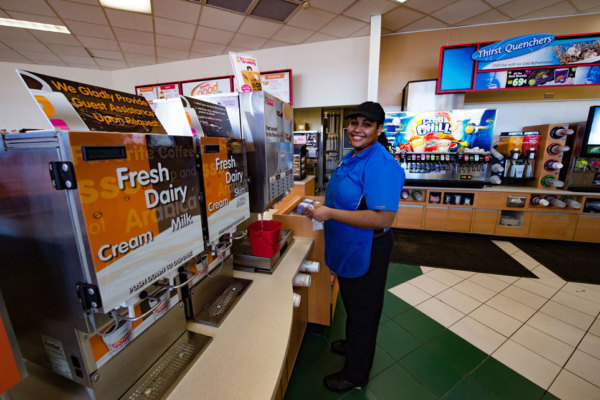
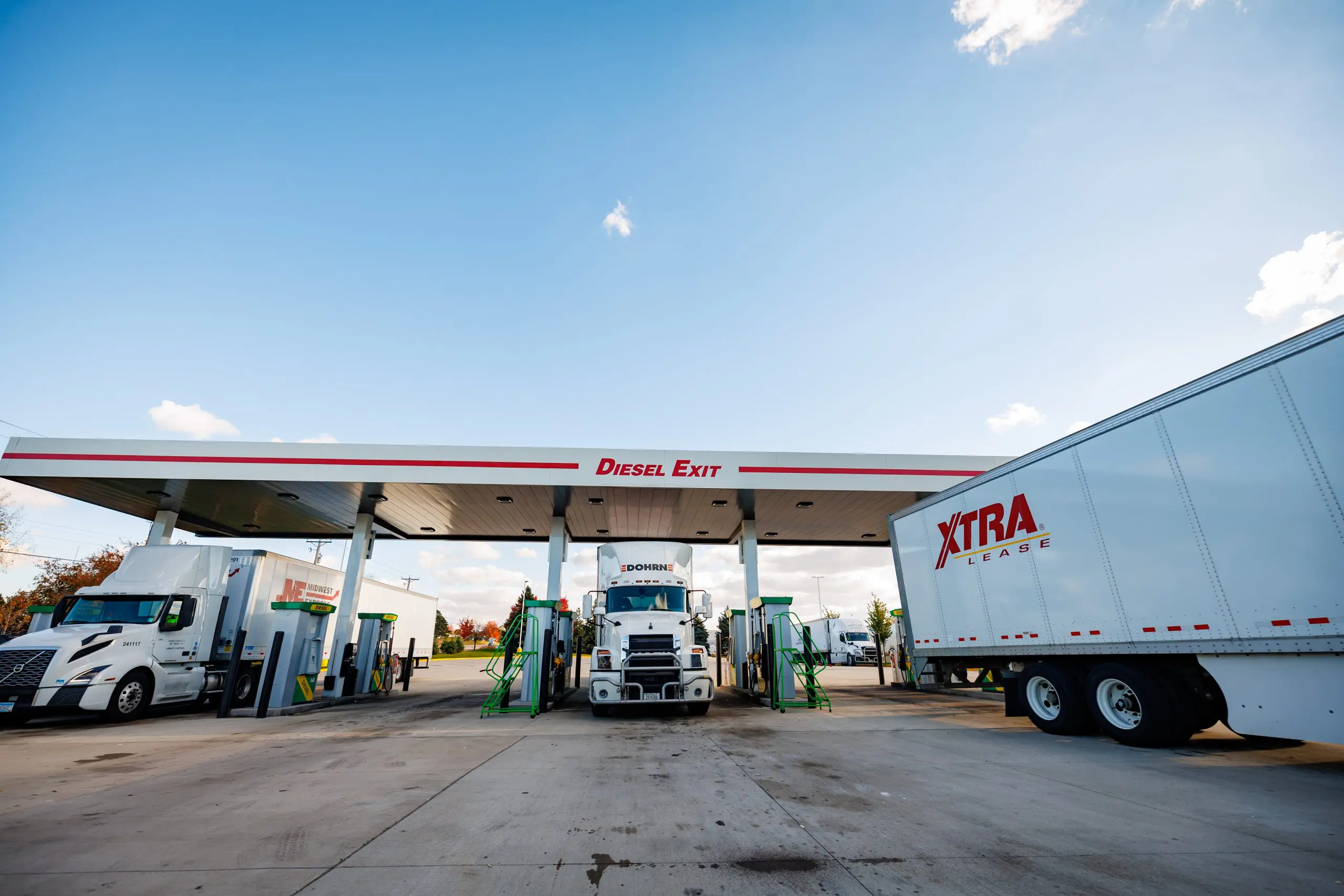
Amendment 217 threatens nearly 97,000 small businesses operating within a quarter mile of the Interstate Highway System, endangering the jobs of more than 2 million Americans.
“This Amendment is the biggest threat small business owners have ever faced under a highway bill,” said Lisa Mullings, President and CEO of NATSO, and a member of the Partnership to Save Highway Communities. “This highway bill was intended to create jobs, but if this amendment is allowed to pass it will pull the rug out from under the nation’s interstate-based fast food franchisees, convenience stores, gas stations and truck stops. Commercializing Interstate rest areas would put exit-based businesses at a considerable disadvantage, likely forcing many out of business. This will have a substantial effect on local communities, increase unemployment, decrease local tax revenues and impede overall economic growth.”
In a recent study of commercial rest areas, the Virginia Tech Transportation Institute found that commercializing rest areas nationwide could cause a 46 percent decrease in sales at Interstate-serving gas stations, a 44 percent decrease in sales at Interstate-serving restaurants, and a 35 percent decrease in truck service sales at Interstate-serving truckstops.
Statistics in Rep. LaTourette’s and Rep. Kucinich’s home state of Ohio bear this out. Along the Ohio Turnpike, where commercialization is permitted, just 109 businesses operate along the 239 miles of the Turnpike. Some 1,036 businesses, by comparison, thrive along the 212 miles of Interstate 75, where businesses are allowed to compete on a level playing field at the interstate exit interchanges.
Amendment 217 would grant state governments the ability to set up shop directly along the interstate right-of-way. This location gives the states a major advantage over the businesses at the exits. Allowing commercial rest areas will not increase the number of hamburgers or gasoline gallons sold, but simply transfer sales away from the current competitive environment at highway exits, to the single contractor that pays the largest amount of rent to the state to operate on the shoulder of the Interstate.
To learn more about the Partnership to Save Highway Communities, visit www.jobsnextexit.com.
|
|
Total Miles |
# of Exit Businesses |
Businesses Per Mile |
|
Ohio Turnpike with commercial rest areas |
239 |
109 |
0.45 |
|
I-75* |
212 |
1036 |
4.88 |
|
I-71* |
248 |
870 |
3.5 |
|
I-70* |
226 |
718 |
3.17 |
* commercial rest areas prohibited
|
The Partnership to Save Highway Communities is a coalition of associations, corporations, small businesses and other stakeholders that share a common goal: preserving the valuable relationships between interstate highway motorists and community businesses serving their needs. The coalition is dedicated to ensuring that interstate highway rights-of-way remain free of commercial development. |

Subscribe to Updates
The NATSO Foundation and NATSO provide a breadth of information created to strengthen travel plazas’ ability to meet the needs of the traveling public in an age of disruption. This includes knowledge filled blog posts, articles and publications. If you would like to receive a digest of blog post and articles directly in your inbox, please provide your name, email and the frequency of the updates you want to receive the email digest.