OEMs Invest in Alternative Fueling Solutions, Including Diesel Engines
Article created for the digital issue of the NATSO Foundation’s magazine.
Equipment manufacturers are rolling out low and zero-emission solutions that will help reduce carbon emissions and are investing in several technologies to meet future regulatory and customer requirements.
BEVs and Hydrogen Hit the Road
OEMs have several battery electric and hydrogen solutions in use in real-world applications. Volvo Group has 3,500 battery-electric trucks on the road. “It shows battery-electric trucks are part of our customers’ business already,” Alm said.
Hydrogen fuel cell trucks are also in use. Hyundai has also deployed hydrogen fuel cell trucks all over the world, including in California, and has found that fuel cells are robust. “The customer proof is a great experience that gives us a big tailwind for the next steps, which we are planning to do and execute further,” said Martin Zeilinger, head of commercial vehicle development at Hyundai Motor Co.
Jason Skoog, general manager at Peterbilt Motors Co. and PACCAR vice president, encouraged attendees to try new technologies. “If you’re not trying what is available today, you’re going to be behind the adoption curve,” he said. “You can’t wait. Whether it is a battery-electric vehicle, a hydrogen fuel cell electric vehicle, if you wait, you will be left behind. Start your planning. At least try one.”
The Role of Routing
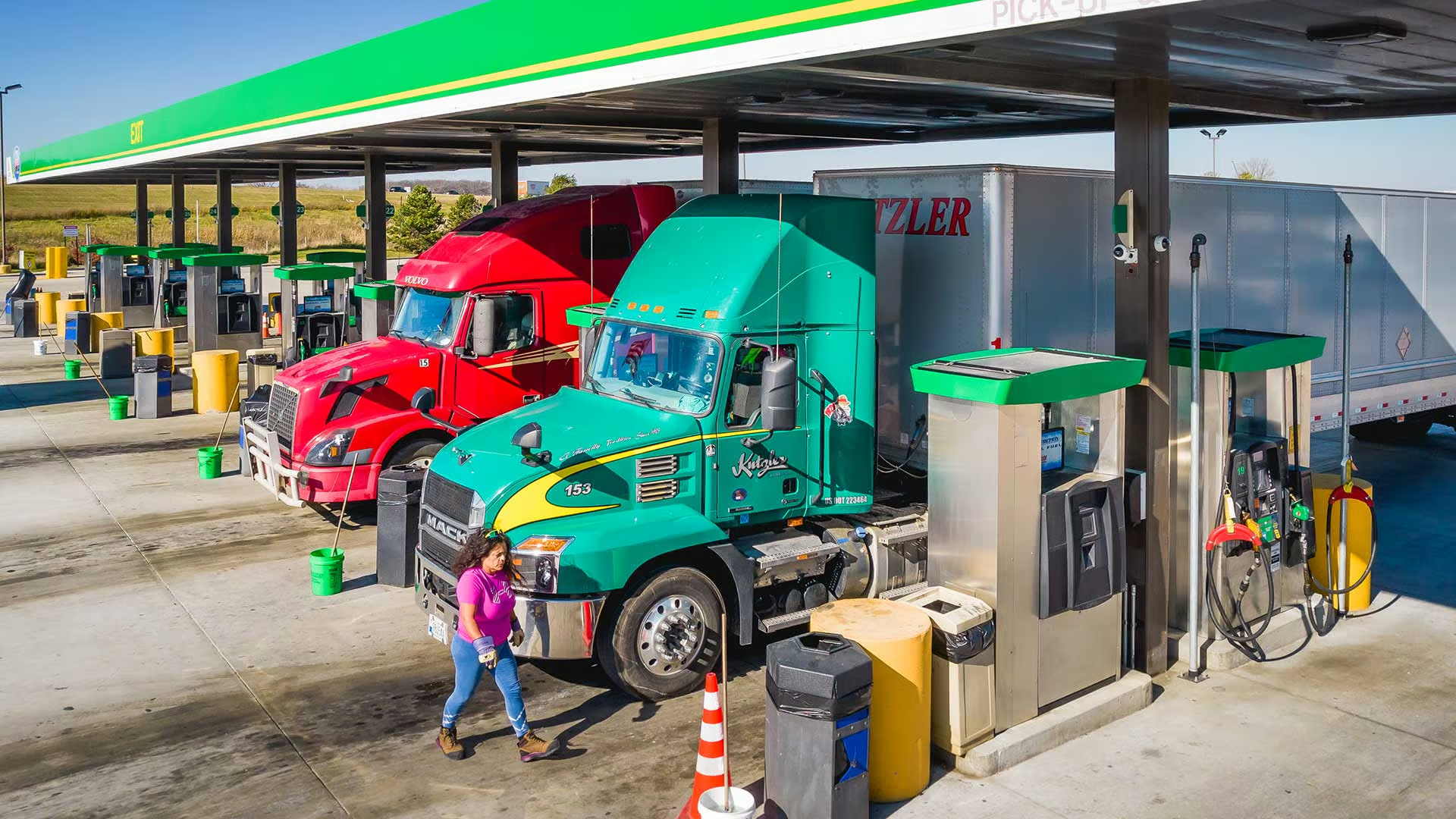
Infrastructure is a critical part of the conversation as fleets adopt or even consider alternative technologies. “It isn’t just buying a truck anymore,” said Jonathan Randall, president of Mack Trucks North America. “Before we were selling iron, now we sell solutions.”
Randall said OEMs will have to work with customers to identify applications and routes that can support BEVs and hydrogen.
John O’Leary, CEO of Daimler Truck North America, said a lack of charging infrastructure is “a limiting factor” that is slowing the pace of adoption.
The Continued Need for Diesel Fuel
Even with new advancements, traditional diesel-powered internal combustion engines will remain relevant and continue to get cleaner. “The diesel business is not dead, and it’s going to have a very long tail on top of it,” Skoog said. “We’re designing engines to be compliant with the 2027 regulations and beyond.”
Peter Voorhoeve, president of Volvo Trucks North America, noted that diesel engines are 60 times cleaner than they were at the beginning of the century. “If we improve fuel efficiency on diesel engines, the impact on the climate is much, much higher,” he said.
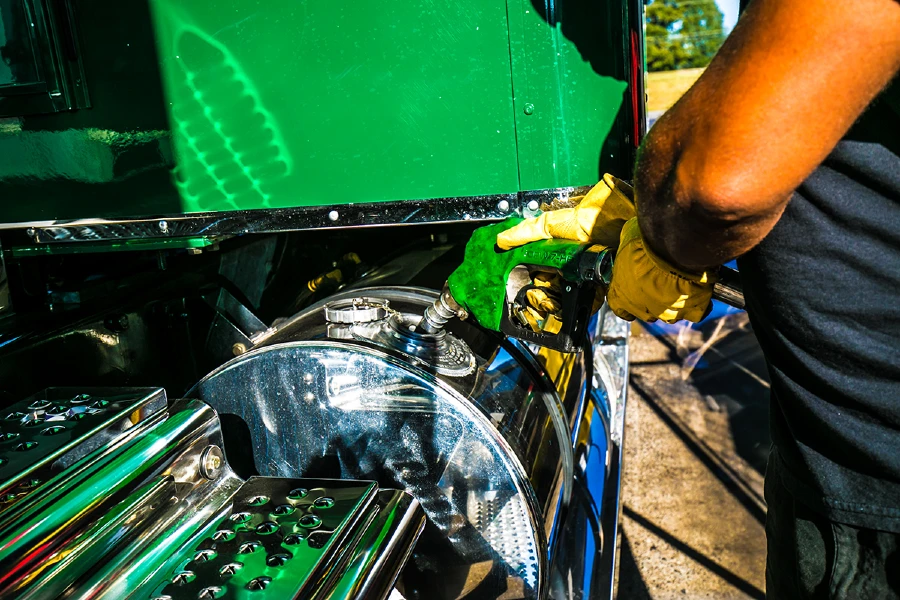
Diesel internal combustion engines are also expected to transition to renewable diesel and fossil-free fuels. “The internal combustion engine will continue to exist in the future—2040, 2050—but we can ask ourselves what fuel it will use,” Voorhoeve said.
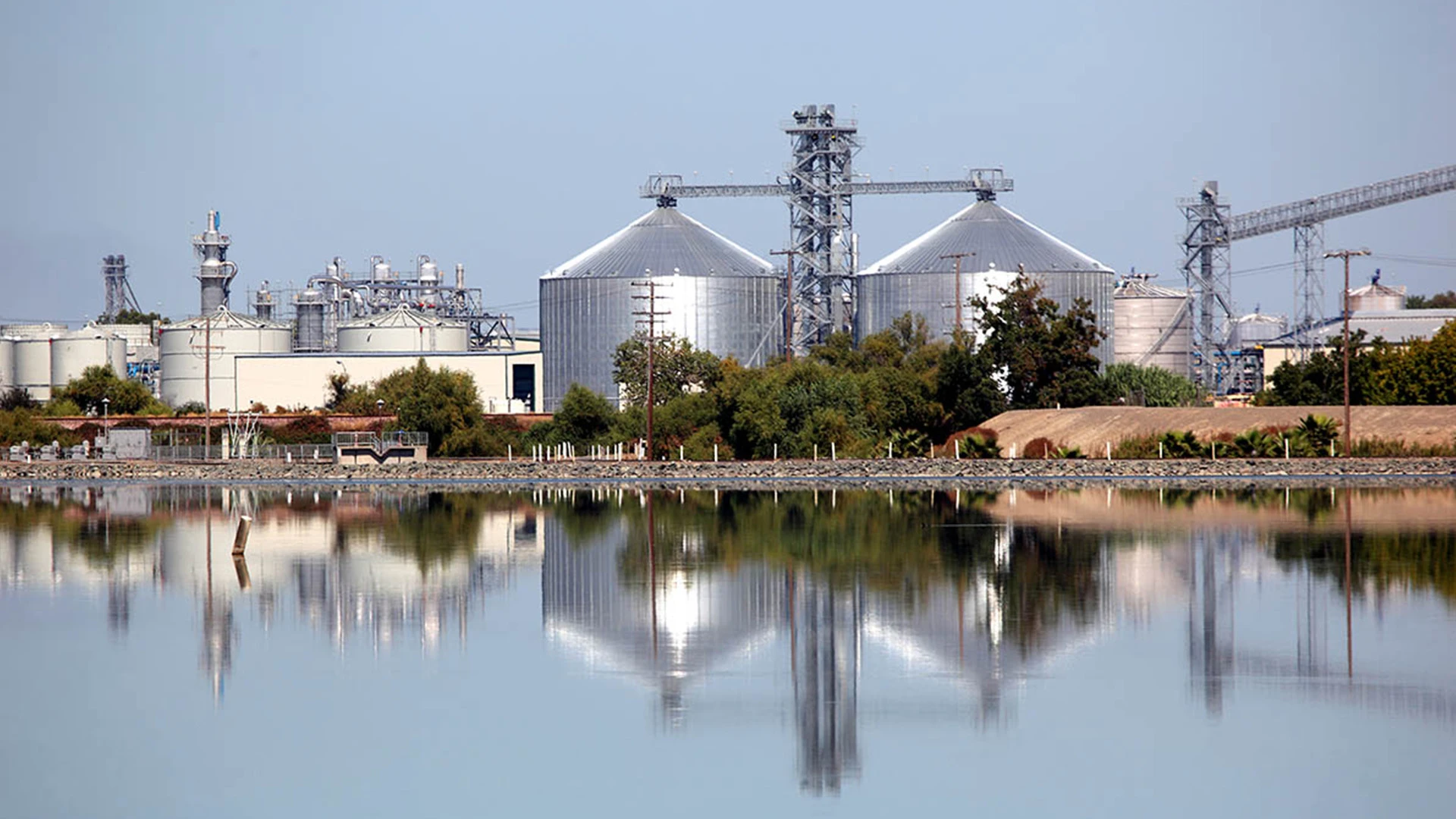
Renewable diesel meets the American Society for Testing and Materials D975 specification for petroleum diesel and can be used as a drop-in fuel in existing diesel engines. According to the 2024 State of Sustainable Fuels report, which was released at ACT Expo, the use of renewable diesel (RD) is already on the rise. RD consumption increased by 68% in 2023 compared to 2022.
// This article was created for Stop Watch magazine, the magazine of the NATSO Foundation. Foundation is the research, education and public outreach subsidiary of NATSO, Inc. The NATSO Foundation provides programs and products to strengthen travel plazas’ ability to meet the traveling public’s needs through improved operational performance and business planning. Visit www.natsofoundation.org for more information.


Subscribe to Updates
The NATSO Foundation and NATSO provide a breadth of information created to strengthen travel plazas’ ability to meet the needs of the traveling public in an age of disruption. This includes knowledge filled blog posts, articles and publications. If you would like to receive a digest of blog post and articles directly in your inbox, please provide your name, email and the frequency of the updates you want to receive the email digest.