Keeping Travel Center Property and Buildings Maintained
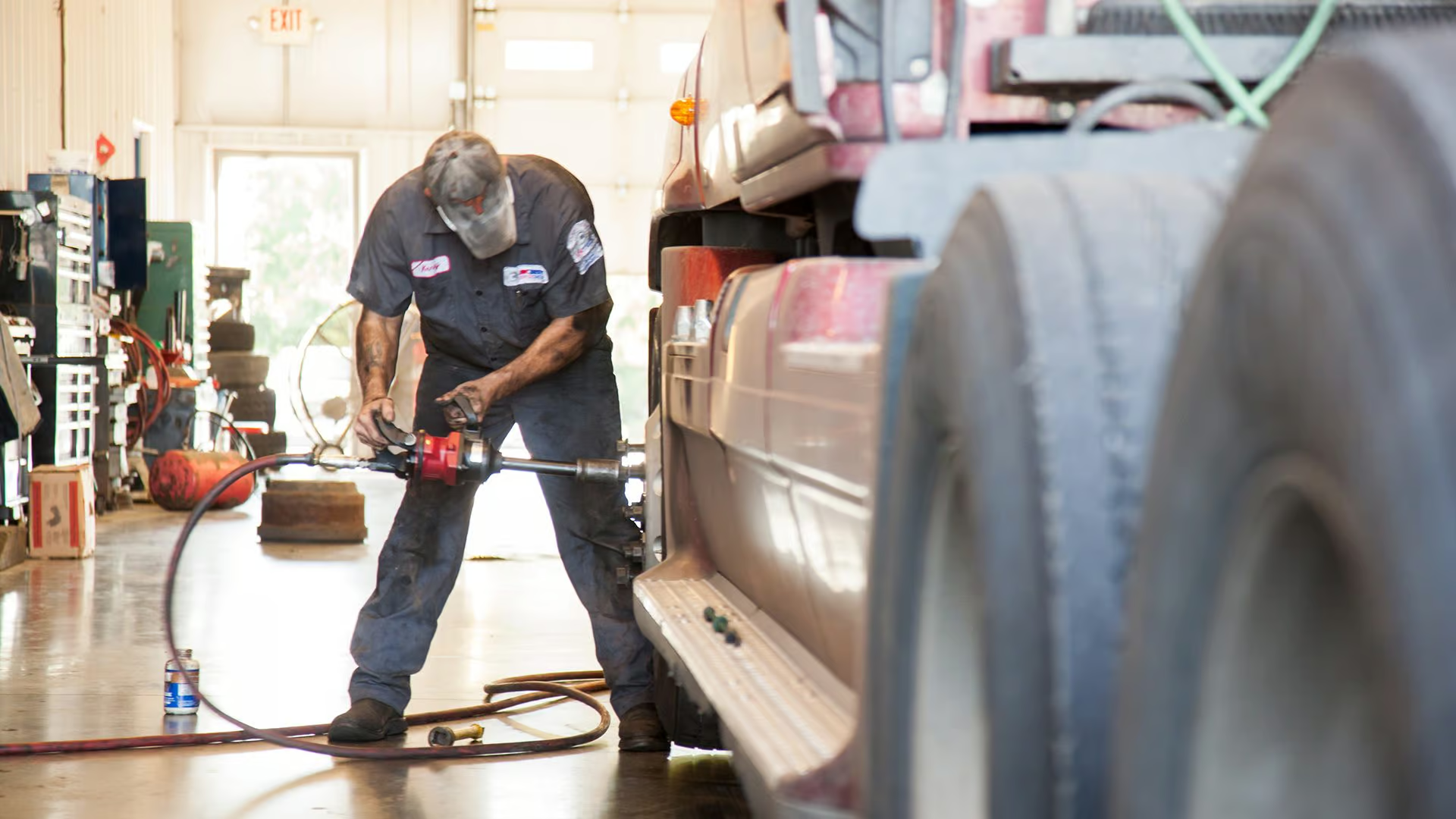
Keeping property and buildings well-maintained plays a crucial role in safety, efficiency, and the overall guest experience. With 24/7 operations, buildings are constantly in use, making preventive and responsive maintenance essential. Neglecting or delaying maintenance can lead to safety hazards, compliance issues, and expensive repairs down the road. Maintenance also supports brand consistency and regulatory compliance, including ADA standards.
Using Technology to Stay Ahead
Busy Bee has found success using a mobile-first approach through the Limble maintenance app. This system allows employees to quickly report repair or maintenance issues when they see them. Elizabeth Waring, president and CEO of Busy Bee, said the app has helped streamline communication between team members and across the company’s multiple locations.
“If you go to a location and you see that someone has hit an important sign, or someone has knocked Formica off of one of your fountain areas or a mirror has been damaged in your restroom, you click on the Limble app, and share the location, who you are, what needs to be fixed, take photos of it, and say what priority it is,” Waring explained.
The information is automatically sent to the maintenance team. “They get an alert immediately, and it stays on their to-do work order list until they clear it all,” Waring said. “When it’s cleared, I’m notified and the person who uploaded it is notified that the work has been completed.”
The system makes it easy for the head of maintenance to see work that needs to be done and how many days a request has been pending. Limble also supports preventive maintenance by allowing teams to track and schedule routine inspections and tasks.
Waring said it ensures nothing slips through the cracks and holds everyone accountable. “There is no guesswork and there is no passing the buck,” she said. “It has been a great tool for our team members and management to be able to be more effective and efficient with our maintenance team.”
Digging Deeper
If property damage occurs repeatedly, Petro Canada will investigate the root cause of the issue. “If we’re seeing the same light post getting knocked over multiple times, we probably need to move it,” said Steve Kuzmanovic, advisor, environment, health and safety for Suncor, a Petro Canada company.
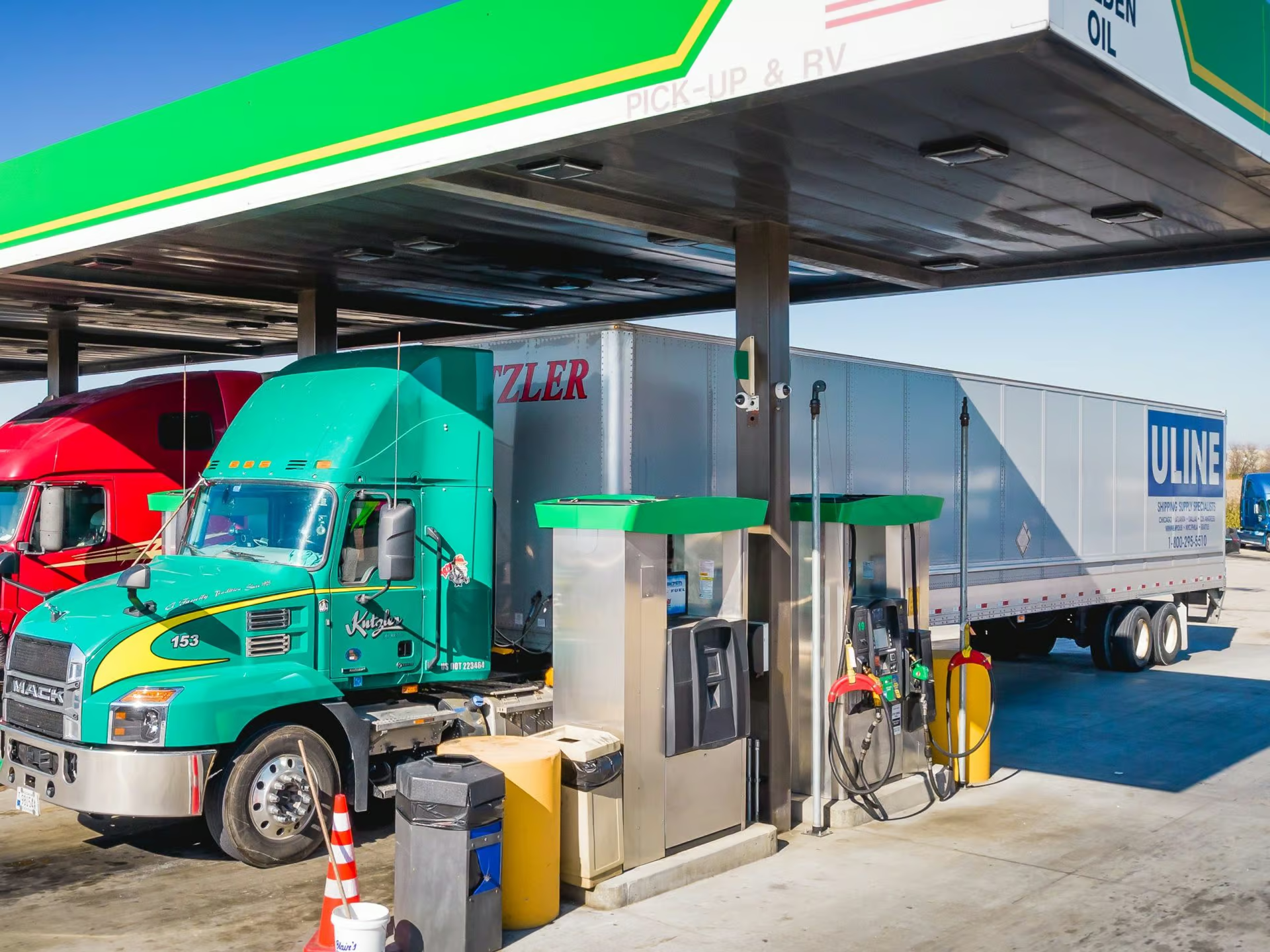
One issue that has damaged fuel pumps is drivers leaving with a nozzle still attached to the vehicle. To help reduce the issue, Sucor is piloting a lighting solution positioned above the fueling lane. The light turns green when drivers can leave the fuel pump or stays red if the nozzle is in the truck. Petro Canada also has cameras positioned at fueling lanes and will reach out to the trucking company if a driver damages a pump.
Walking the Location
At Coffee Cup Fuel Stops & Convenience Stores, the manager and leader on duty walk the full facility every day. “We focus on maintaining a clear and safe environment by minimizing anything that could create an obstacle,” said Ericka Schapekahm, director of human resources and special projects. “I believe it’s important to consider every path through the store and remove any unnecessary items to promote safety and efficiency.”
Even small items, like a piece of pastry paper on the floor, can cause someone to slip or fall. To support consistency, Coffee Cup uses detailed checklists to ensure that critical tasks such as cleaning bathrooms, emptying garbage, and keeping floors free of debris are done regularly. These checklists help staff maintain focus during busy shifts and ensure that nothing is overlooked.
A second set of eyes is always valuable, and, in addition to internal protocols, Coffee Cup partners with EcoSure, a third-party auditing firm that visits each location quarterly. “Their visits include everything from brand management to guest service to safety. It’s always good to have another set of eyes take a close look at our facilities,” Schapekahm said.
“External reviews help uncover issues that might be missed by in-house teams and provide a fresh perspective on continuous improvement.”
NATSO has an operational checklist that covers key tasks that a location can review to improve day-to-day operations, ensure safety, and reduce risk. (Learn more about the checklist at: https://www.natso.com/travel-center-operational-checklist). Examples of items on the checklist include:
- Are ash trays/garbage cans in place, clean and not overflowing?
- Are windows clean and free of unauthorized signage?
- Is the storeroom clean and well organized?
- Are areas that are susceptible to trips, slips, and falls in good order?


Subscribe to Updates
The NATSO Foundation and NATSO provide a breadth of information created to strengthen travel plazas’ ability to meet the needs of the traveling public in an age of disruption. This includes knowledge filled blog posts, articles and publications. If you would like to receive a digest of blog post and articles directly in your inbox, please provide your name, email and the frequency of the updates you want to receive the email digest.